Skip to content

Mould and damp remediation

Mould is water arriving from somewhere. First we work out where from, then we decide what to do — and when it takes another trade, we say so. Across the whole province of Verona.

Request a free quoteFree site visit and diagnosis, no obligation.

First of all

Four different causes that all look alike

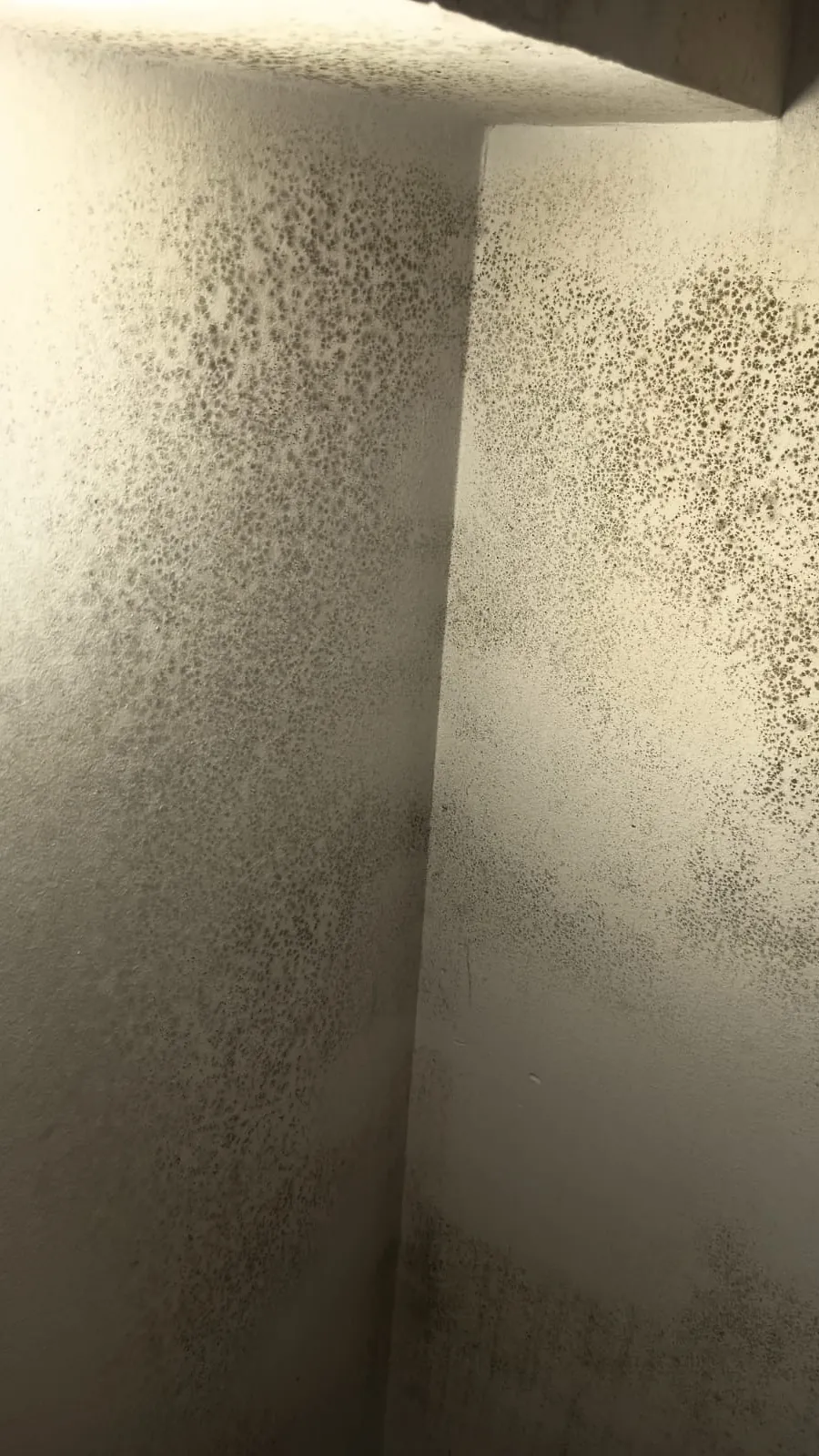
On the wall you see the same dark stain. Underneath, though, there can be four phenomena with nothing in common: different origin, different behaviour, different solution. Confusing them is the most expensive mistake you can make, because it leads to repainting the same wall four times. These are the signs that tell them apart.

  • Condensation on a thermal bridge

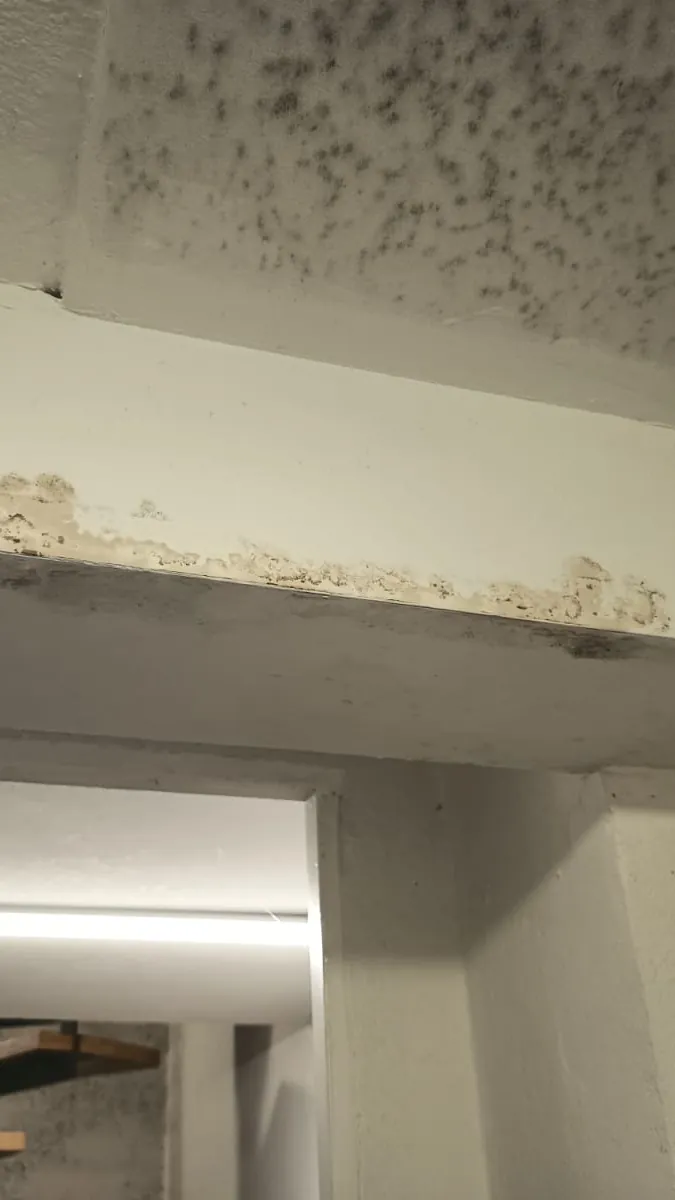
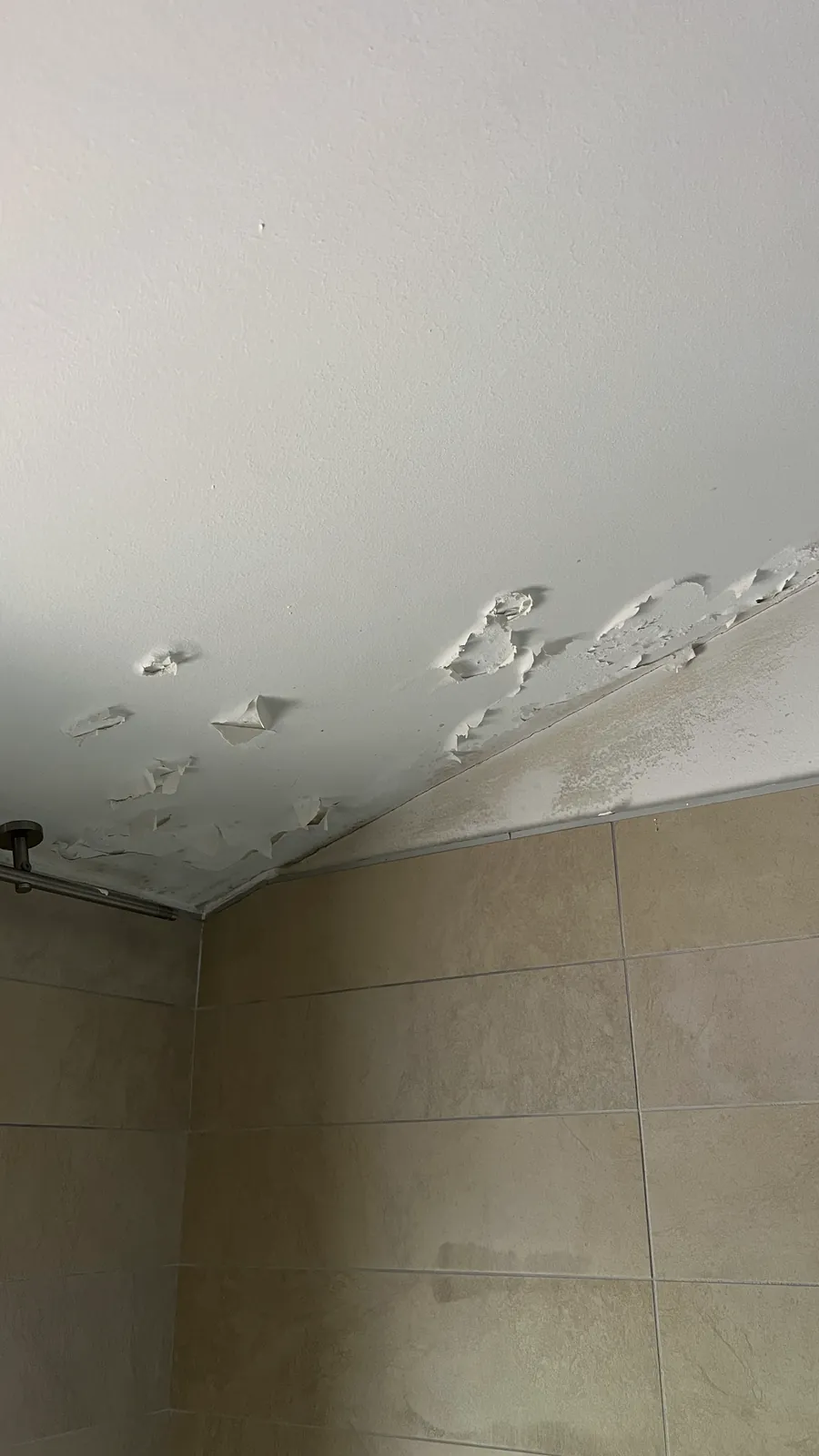
    Dark stains in the corners, behind furniture, along the edge of the ceiling, on the window reveals: always at the coldest points of the room. It appears in winter and gets worse when people are at home. It is the most common case, and it is superficial: the water does not come from outside, it forms right there because that part of the wall is below the temperature at which the vapour in the air turns back to liquid.

  • Rising damp

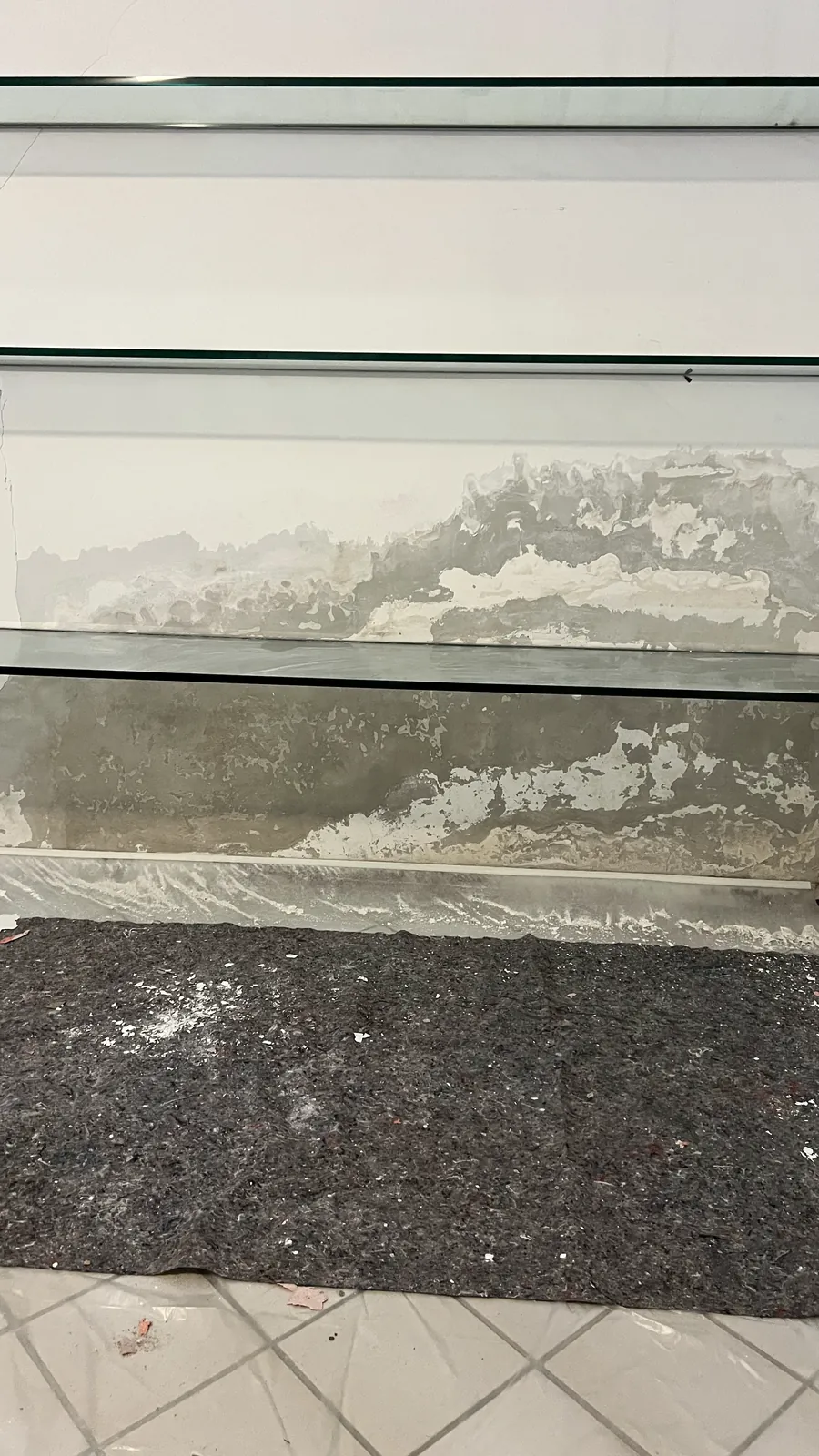
    It sits low and stays low: a band along the foot of the wall, more or less the same height all along, with plaster that crumbles and comes away and sometimes white salt efflorescence. It does not depend on the season or on how much you air the room. No paint solves rising damp: it is a job of another kind, and that has to be said before a brush is picked up.

  • Water ingress from outside

    Irregularly shaped stains that change with the rain: after a storm they spread, in a dry spell they shrink. The point of entry is almost always somewhere other than where the stain shows: a sill, a crack, a gutter, a terrace. As long as it stays open, whatever is done inside is temporary.

  • A leak from a pipe

    A localised stain, always in the same place, that does not change with the weather or the season. Often near a bathroom, a kitchen or a heating connection. It is the easiest to recognise and the most pointless to paint over: first the leak is fixed, and that is not our job.

How we work

Measure first,
then decide

With a mouldy wall you can act in an afternoon and watch it come back within a winter, or spend an hour understanding it and never see it again. We do the second. These are the five things we do, and the last is the one that sets us apart.

Request a quote
  • Look at where it sits, and when it appears

    The position of the stain says almost everything. High up in the corners and on the window reveals is one thing; a low band along the whole perimeter is another; an irregular patch that moves with the rain is another again.

    We ask how long it has been there, which season it gets worse in, whether it appeared after something: insulation, new windows, a change of habits. Almost always the answer is there.

  • Look at where it sits, and when it appears
  • Three numbers, taken on the spot

    Surface temperature, relative humidity of the air, air change in the room: from these three numbers you can tell whether that wall is below the temperature at which vapour condenses. It is the difference between a diagnosis and an opinion.

    The instrument we start from is the moisture meter, which says how much moisture is left inside the wall; from there you can tell rising damp from water ingress from outside and from a leaking pipe.

  • Three numbers, taken on the spot
  • The surface is treated before it is closed off

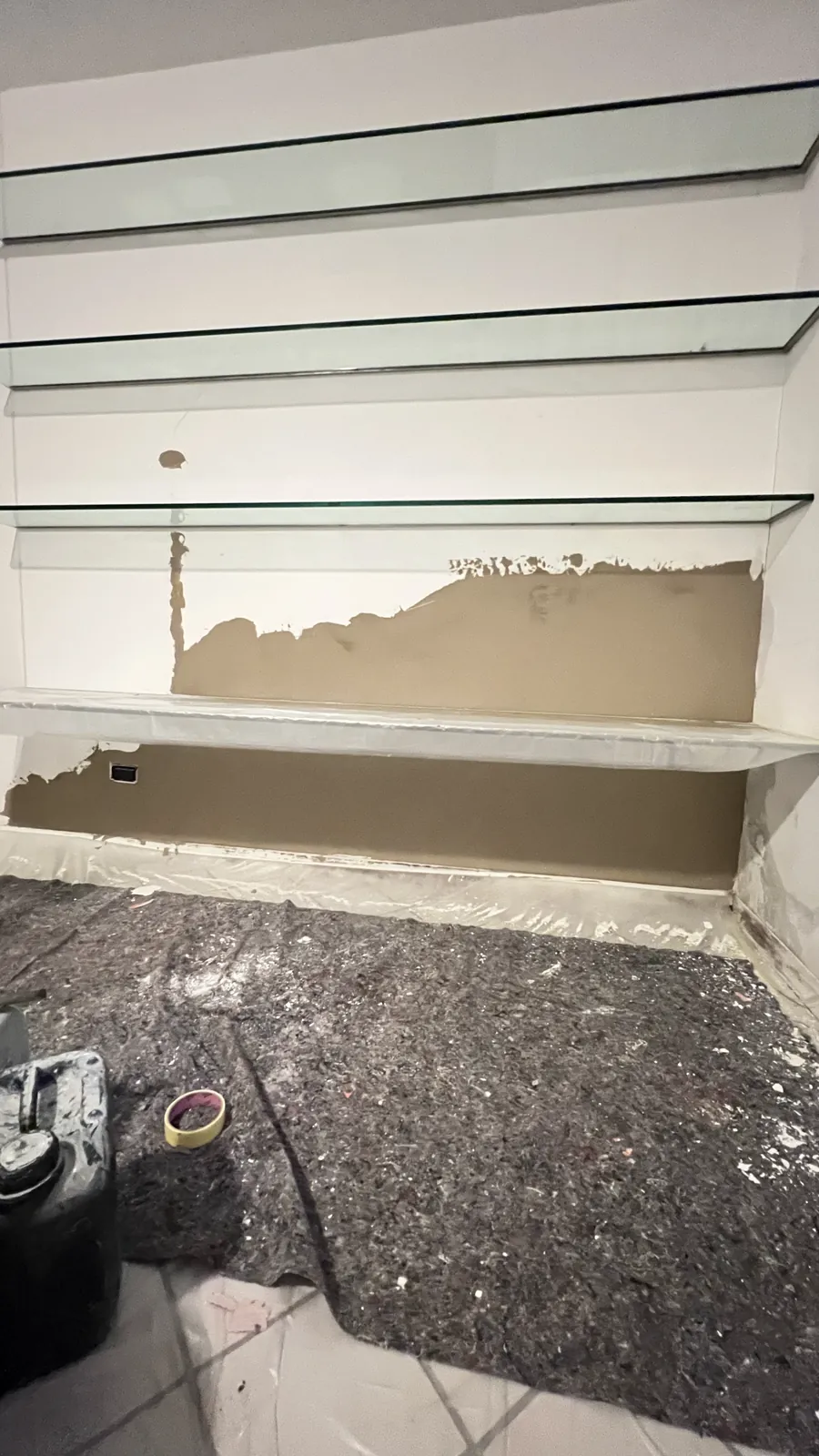
    The visible mould has to be removed and the surface treated before anything is applied.

    Painting over a mouldy wall means shutting the problem inside: it comes back, and it comes back faster. Removal is the precondition for the rest to make sense.

  • The surface is treated before it is closed off
  • The system is chosen for the cause

    On surface condensation a system that raises the surface temperature and lets the wall breathe makes sense, because it acts on the mechanism that produces the water. On rising damp or water ingress the same system is a sticking plaster.

    That is why the choice comes after the readings and not before: the product does not decide the cause, the cause decides the product.

  • The system is chosen for the cause
  • If it isn't a job for us, we say so

    Rising damp, water ingress from a roof or a terrace, a leak from a pipe: these are jobs of another kind and a painter does not solve them.

    In those cases we say what we found and who it is worth turning to, and we do not take the job. It costs us a quote, and it is worth more than a quote: it is the only way not to sell something that will go back to how it was.

  • If it isn't a job for us, we say so
  • The wall is treated when it is dry

    Where needed we go beyond the painter's part. We use osmotic mortars and damp-proof skim coats, and we wait out the drying times, which with damp are half the job.

    When there has been a lot of water (a flood, a leak that went on for months) we install professional dehumidifiers and leave them running for days, because the product has to go on a dry wall.

  • The wall is treated when it is dry
Before and after

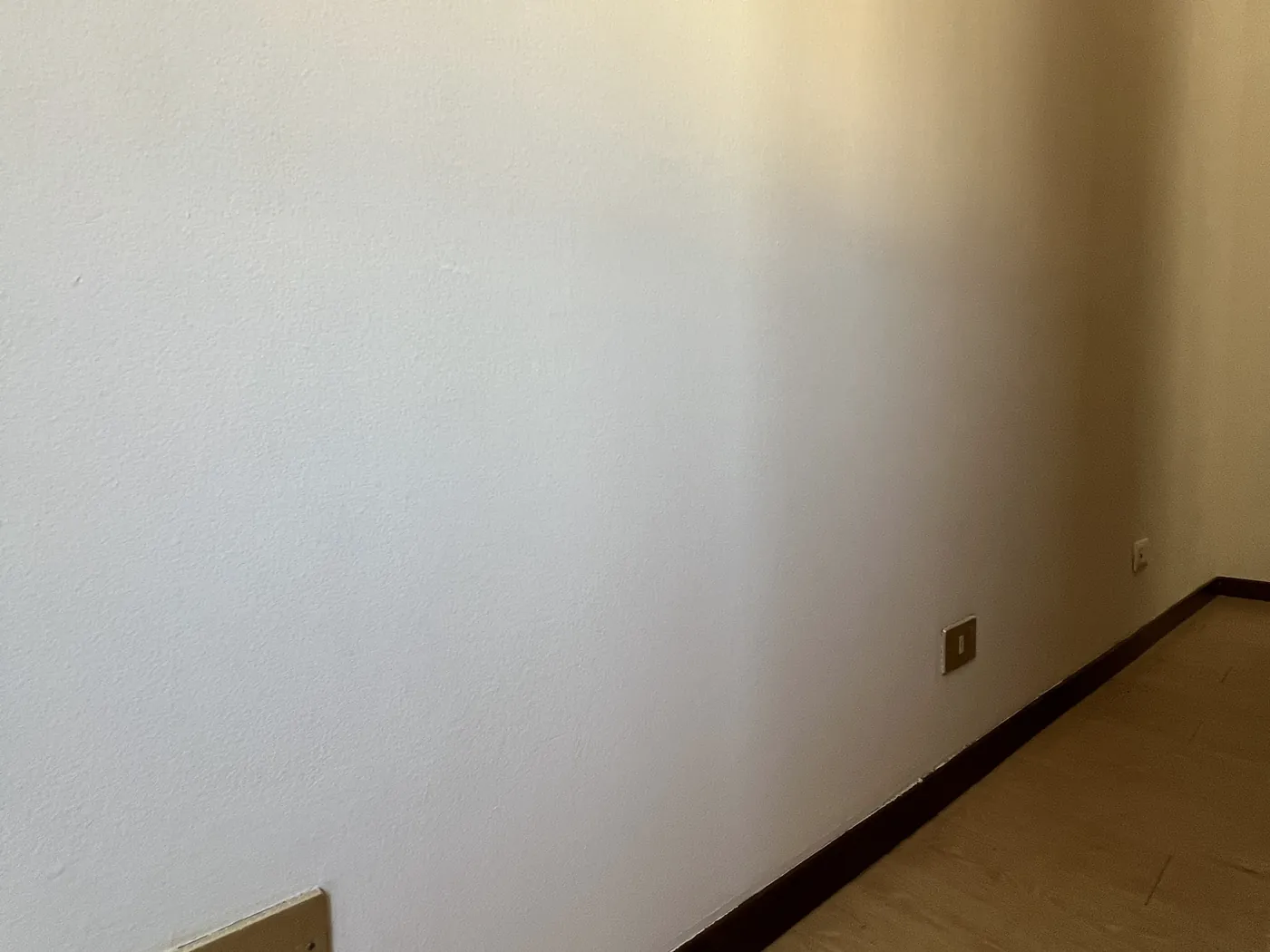
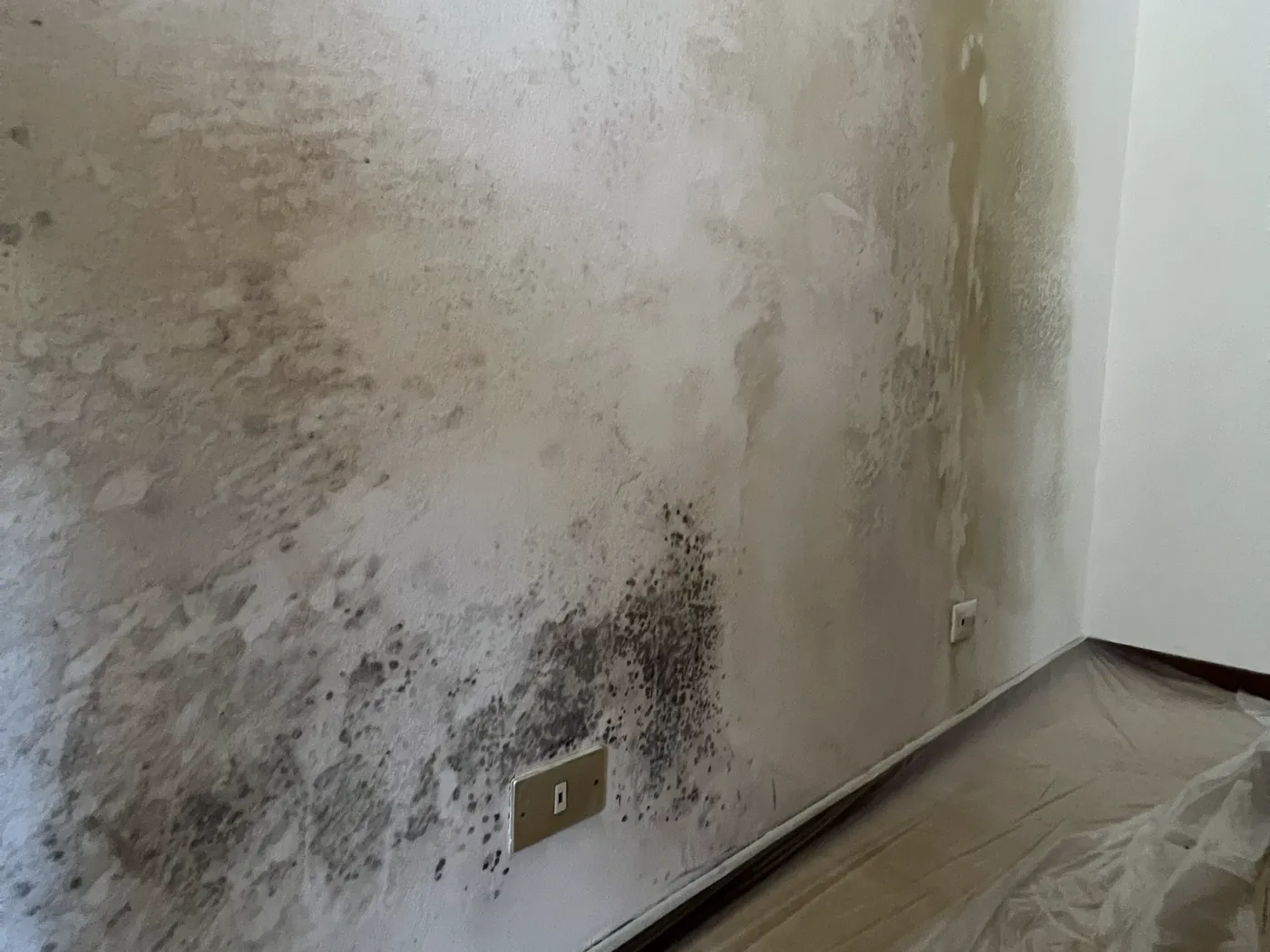
The wall, before and after treatment

The same wall before and after: the dark stain along the lower band and in the corner, then the restored surface. Press and hold on the picture to run the roller across.

First the cause
Where the stain sits, the season it appears, temperature and humidity readings.
Then the treatment
The visible mould is removed and the surface treated: painting over it shuts it in.
The system follows the cause
An anti-condensation system makes sense on condensation. On rising damp it is a sticking plaster, and we say so.
AfterAfter
BeforeBefore
Press and hold

Your situation

Your own home, or a home you rent out?

It sounds like a bureaucratic question, but it changes the most concrete thing of all: who pays. And who pays depends on the cause, which is exactly what the site visit is there to establish, in writing.

Your own home

You decide, and you also decide how deep to go

Here the choice is between solving the symptom and solving the cause, and sometimes the second is work that is not ours: insulation, a window, ventilation. Our task is to put the two options on the table with what each involves, and let you choose.

  • The diagnosis says which of the four causes you are facing
  • If the real solution is not a painter's job, we write that down
  • On painting alone there is no tax deduction: it counts as routine maintenance
Rented property

Landlord or tenant: it depends on the cause

Mould in a rented property is a defect that as a rule falls on the landlord, because the home has to be handed over fit for use. It falls on the tenant when it depends on how the home is lived in: laundry dried indoors without a change of air, rooms never aired. Telling the two apart is a technical question before it is a legal one, and a written report is worth more than an argument.

  • As a rule the defect falls on the landlord, unless it depends on use
  • The written report on the cause is the document both sides need
  • Building managers, estate agents and letting managers are regular clients, with whom the work repeats over time

We are not legal advisers and we do not decide who is right. We establish the technical cause and put it in writing: the legal assessment is for the right professional.

Before you decide

What we leave you after the site visit

With this service the site visit is the service. What comes out of it is a document that stays in your hands even if someone else does the work, or nobody does.

The site visit and the diagnosis are free and commit you to nothing.

  • Which of the four causes you are facing

    Condensation, rising damp, water ingress or a leak: in writing, with the signs we based it on. It is the line everything else depends on.

  • The readings, taken on the spot

    Surface temperature, relative humidity, air-change conditions. They tell a cold wall apart from a poorly aired home, which are two problems with two different solutions.

  • What we can do, and what we can't

    The boundary is written down in black and white. If what is needed is building work, plumbing or work on the building envelope, that is what it says — without a quote from us pretending to solve it.

  • What changes if the cause is left alone

    For mould to come back nobody has to do anything wrong: it is enough for the cause to remain. We would rather say so beforehand, with realistic timings, than have you find out after the second winter.

  • The firm's documents

    They are all there and in order, and we give them to you the moment you ask. When the quote is accepted we sign a contract that protects you and us in equal measure.

  • The guarantee, and how far it goes

    Here more than anywhere, how it is worded matters. We guarantee the workmanship:

    • Materials compatible with the substrate.
    • Execution to professional standards, following the technical sheets.
    • Site left clean and tidy.
    • The absence of mould also depends on how the room is lived in and aired, so nobody can guarantee that: anyone who does is promising you something they cannot keep.

Want to know where the water is coming from?

We come and look at where the stain is and take readings on the wall. If it is a job for us we tell you, and if it is not we tell you just the same: it is the most useful part of the site visit.

Book a site visit

Frequently asked questions

Why does mould come back even after repainting?

Because the stain is the symptom of something else. Mould takes hold where a surface stays damp for long enough: condensation on a cold wall, a thermal bridge, water getting in from outside, a room that is never aired. Repainting covers the mark but touches none of those conditions, and the problem comes back. The first step is to work out where the moisture is coming from: as long as that remains, no finish can do the job of insulation or a repair.

How can you tell condensation from rising damp?

By looking at where the stain is and when it appears. Condensation forms on the cold spots of the room (external corners, behind furniture pushed against the wall, around windows, on the ceiling) and shows mainly in the cold months, when there is vapour indoors and the wall is icy. Rising damp starts from the bottom instead, with a continuous band climbing up from the skirting that stays even in summer, often with crumbling plaster and whitish salt deposits. They are two problems with two different remedies: confusing them means treating the wrong place.

Does anti-mould paint solve the problem?

No, and it is worth saying clearly. An anti-mould paint contains active ingredients that hinder the growth of the fungus on the surface: it is a help that works on the last layer. If the wall keeps getting wet (through condensation, a thermal bridge, water getting in), the mould finds a way back. Finishes of this kind make sense after the cause has been dealt with, as the final layer of work that has already been done.

Is airing the room enough to prevent mould?

It helps a lot, but it is not always enough. Changing the air takes out the vapour produced by cooking, showers, drying laundry and breathing, and reduces condensation on cold surfaces: it is the first thing to do and it costs nothing. It falls short where the wall is cold because of how it is built, or where water comes from outside: there the vapour is only one of the sources, and the problem remains even with the windows open.

Do the site visit and the quote commit me to anything?

No. The site visit is there to look at the wall with our own eyes: to understand what state the substrate is in, whether there are cracks, damp or old finishes to remove, and which steps are really needed. Only then can a quote be put together that stands up. Until that point there is no commitment to make.

How much does mould treatment cost?

It depends on which of the four causes lies underneath, and that is the reason we do not give a figure over the phone. Treating a wall with surface condensation is one job; rising damp or water ingress are another category, and often call for another trade. The figure comes after the diagnosis, because it is the cause that decides the work. The site visit with the diagnosis is free.

What if you find it is not a problem you can solve?

We tell you, and we do not take the job. Rising damp, water coming in from the roof or a terrace, a leak from a pipe: these are jobs of a different kind, and painting over them means paying twice. In that case we leave you a written note of what we found and who it is worth turning to: we have trusted professionals we refer cases to, and we point you to them in person, case by case.

Can the work be done in winter?

Yes, and it is also the time when the problem shows best: condensation is a winter phenomenon, and a wall that looks fine in summer tells the truth in winter. Temperature and humidity readings taken in the cold season say far more than the same readings taken in August.

In a rented home, who pays?

It depends on the cause, and that is why the diagnosis matters more than the quote. As a rule mould is a defect of the property and falls on the landlord, who must hand over a home fit for use; it falls on the tenant when it depends on how the property is lived in, for example rooms never aired or laundry dried indoors. We do not decide who is right: we establish the technical cause and put it in writing, which is the document both sides need.


Where we work

Condensation changes from one town to the next

Condensation mould comes from the meeting of a cold surface and humid air, and the air here is humid almost all winter: the Po plain is one of the foggiest areas in Europe and the rivers keep the atmospheric humidity high. The lake is a case of its own: it softens the cold and adds water to the air.

  • Verona

    The city: many flats in buildings from the years of rapid expansion, where the thermal bridges of columns and beams are where condensation appears first.

  • Albaredo

    The plain on the Adige: high atmospheric humidity all winter, which is exactly half of the condition for condensation to form.

  • San Giovanni Lupatoto

    The urban belt: flats and small blocks, where on top of thermal-bridge condensation there is often an air change reduced by new windows.

  • Villafranca di Verona

    Detached houses and small blocks: all four causes turn up, which is why the diagnosis is worth more here than anywhere.

  • Legnago

    The lower Verona plain, the most open and foggiest stretch of flatland: prolonged humid air and under-heated rooms are the classic combination.

  • Bussolengo

    The band towards the lake, with sharper temperature swings: walls that cool quickly at night and warm up by day.

  • Peschiera del Garda

    A lakeside town: more humid air close to the water, and flats that stay shut and unaired for months out of season.

Free site visit and quote, always, in Verona and its province

It starts by looking at the surface

The site visit is there to understand what condition the substrate is in and which coating system it really needs. The quote comes afterwards, for what actually has to be done.