

Free site visit and quote, always, in Verona and its province
Painting, restoration
and mould remediation in Verona
We work across the whole province, with particular care for façades. The coating system is chosen after the surface has been examined: we look after the building, from the render to the colour.
Color Pro Italia does painting, restoration and finishing work across the province of Verona, with particular care for façades and exterior surfaces. A wall should look good on the day it is handed over and stand up to the winters that follow: that is where you can tell whether the work underneath was done.
Preserve
what you already own: the house, the façade, the render that sits beneath the colour.
Protect
with methods and products suited to the surface in front of them.
Enhance
with a carefully finished result that still holds up a few years on.
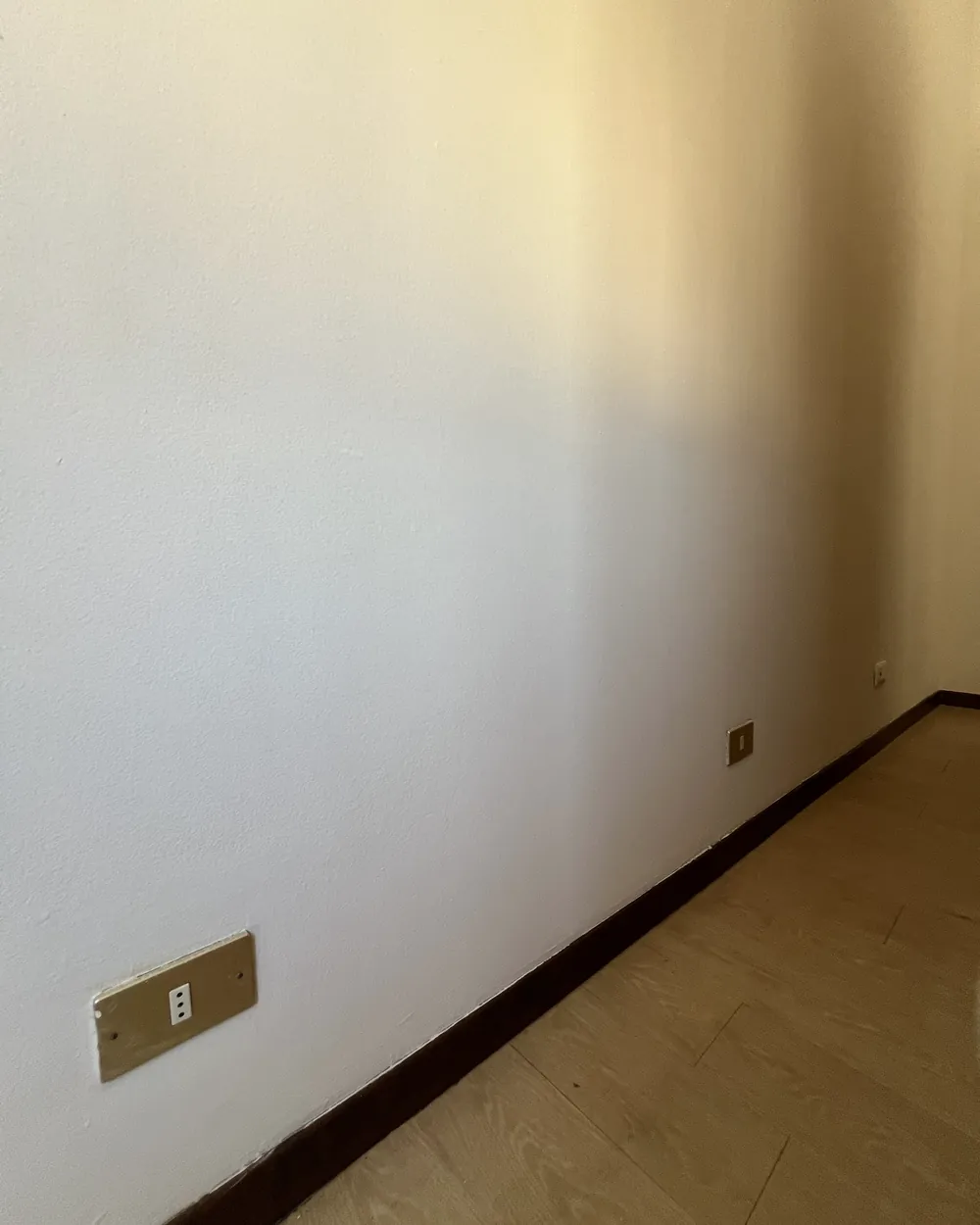
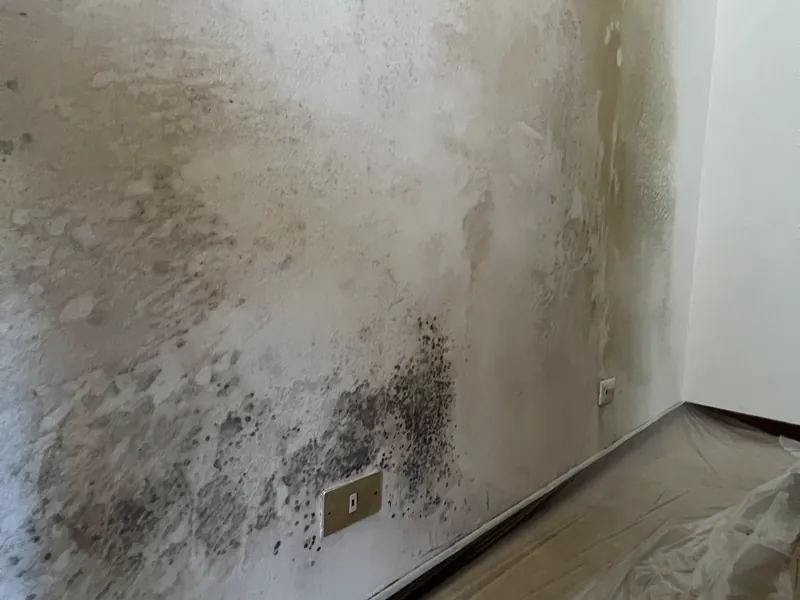
Why us
How we approach a job
There are good tradespeople in Verona. Where we make the difference is in how a job is approached, before a tin of paint is ever opened: how the wall is examined, what is prepared, and how long we wait between one stage and the next.
First, look at the wall
The job starts with understanding what is in front of you: what condition the substrate is in, how it was treated in the past, whether there are areas that crumble or come away. The coating system is decided at the end of that examination, with the wall already looked at up close.
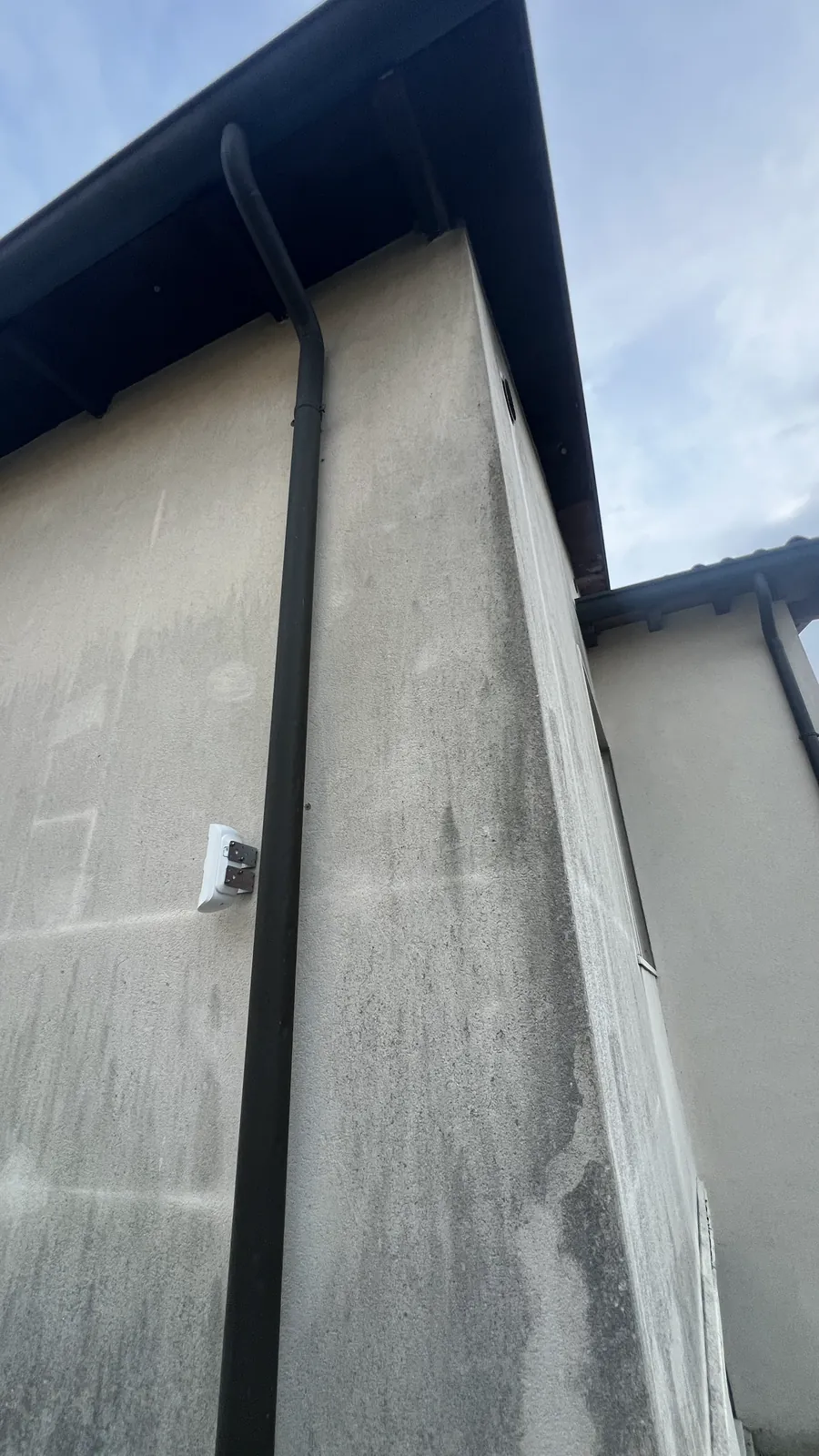
First, look at the wall The part you don't see
Washing, removal of anything no longer bonded, repairs, filling and skimming, primers and sealers. When the job is done none of this can be seen any more, and it is what holds the result together over the years. The paint comes last, once everything else is already done.
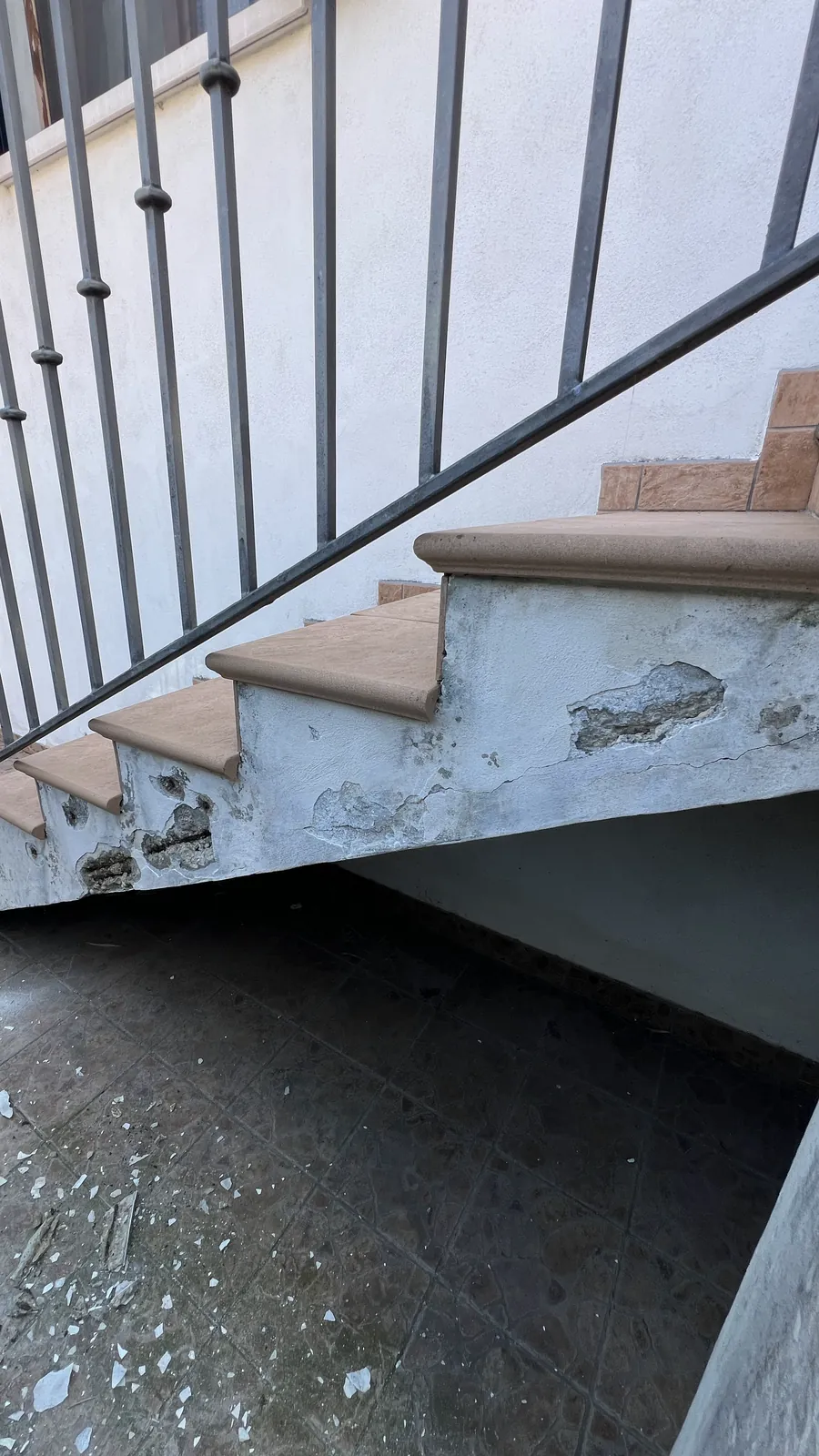
The part you don't see The product is chosen for the substrate
An exterior wall and an interior one ask for opposite things. Outside it means finding the balance between keeping water out and letting vapour escape; inside, it means getting a base made of fresh filler and old plaster to behave the same way. That choice is ours to make, and the quote says which characteristic of the wall we made it for.
The product is chosen for the substrate Drying times are respected
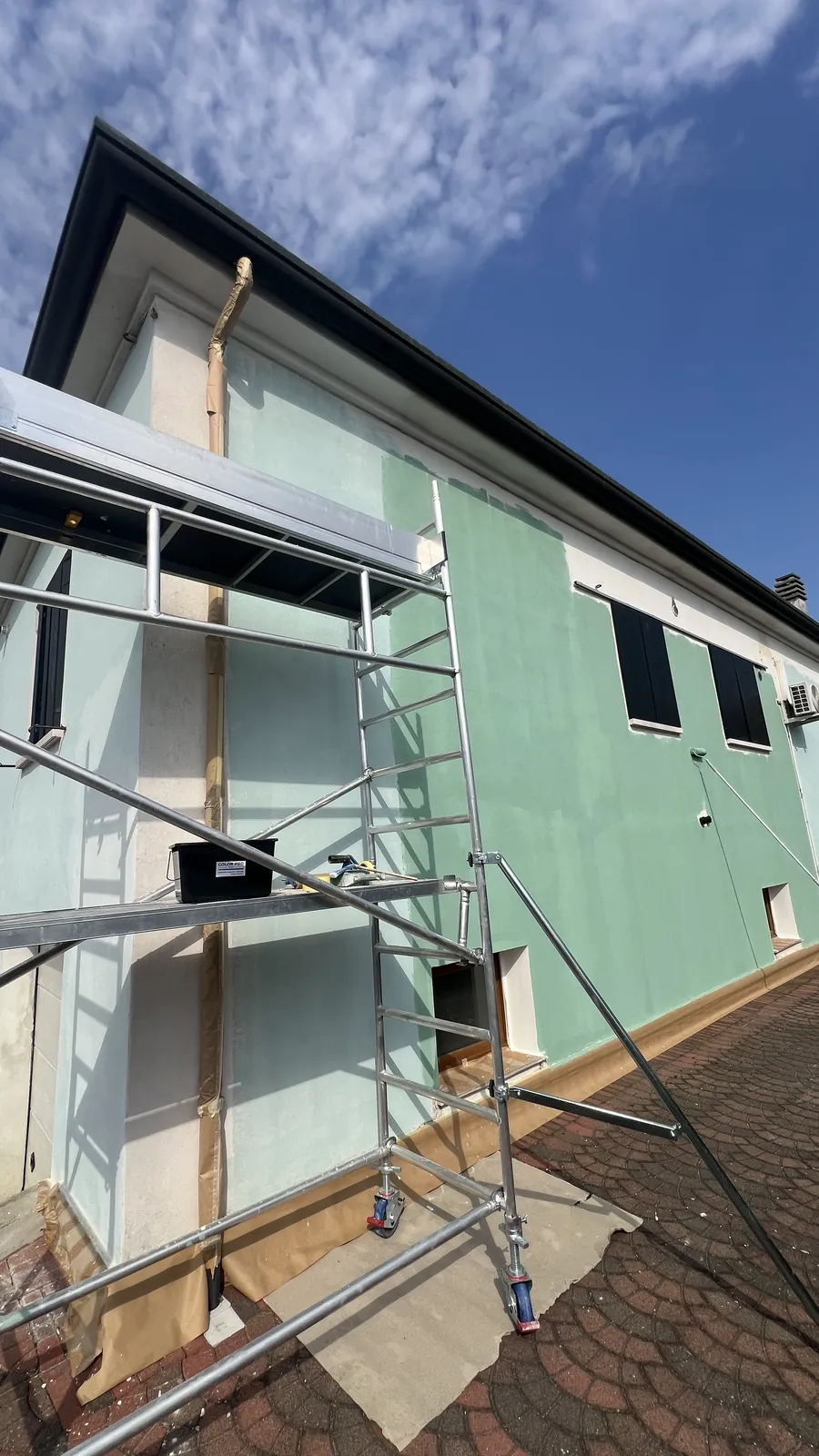
Every product needs time to dry and cure before the next stage, and that time is what it is. Applying a coat over a base that is not ready yet means watching it come away after one winter, when we are no longer there. We would rather spend an extra day than compromise a job that has to last for years.
Drying times are respected Care for everything that isn't being painted
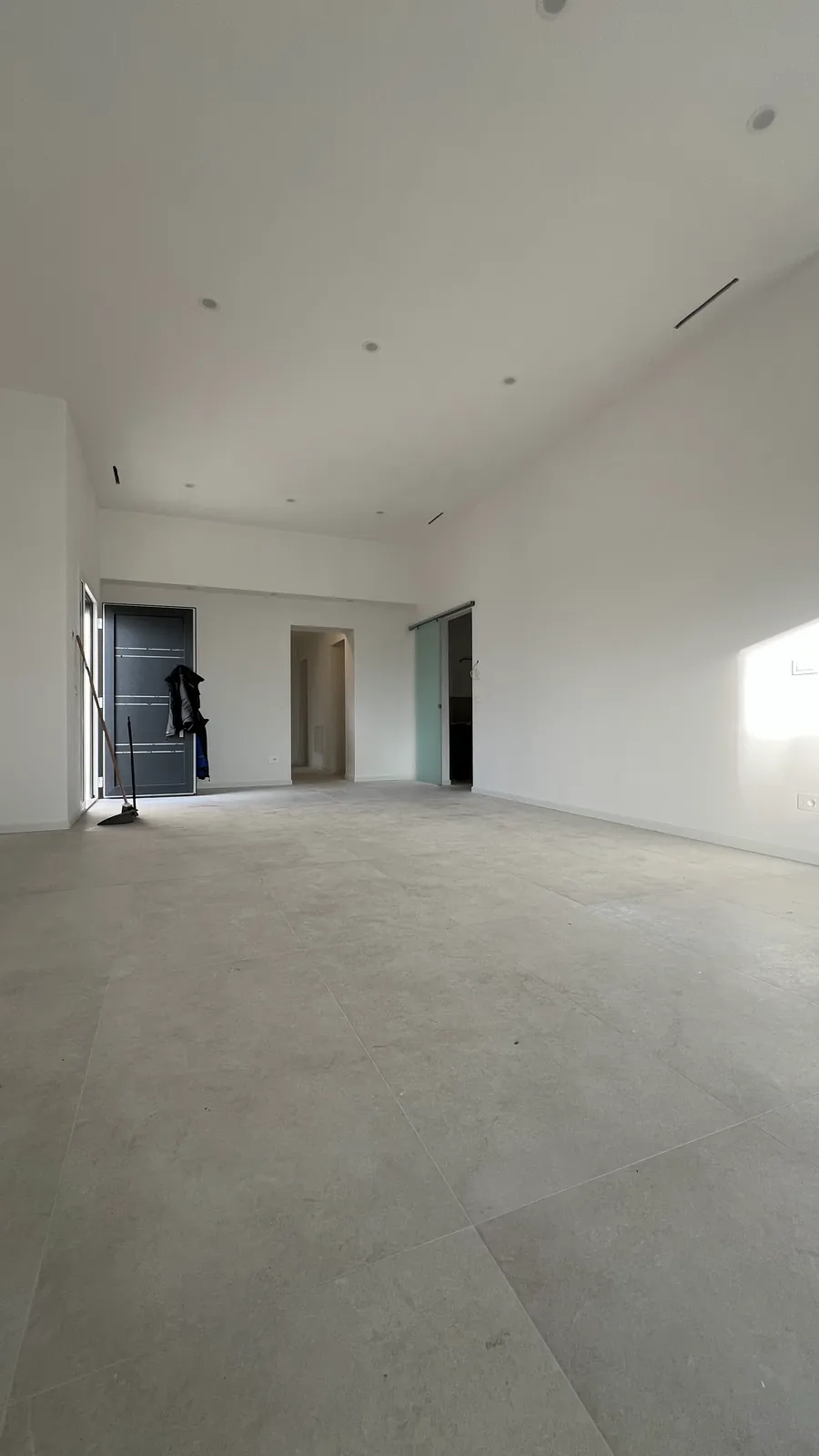
Protection for the rooms and the parts the work must not touch, a tidy site, cleaning, attention to detail. Whoever calls us is entrusting us with a property that has a financial value and often a personal one too, and that value starts with the floor we cover on the first day.
Care for everything that isn't being painted
Before the colour
The system starts with the pressure washer
When the condition of the façade calls for it, before any sealers, primers and finishes we go over it with a high-pressure wash. This is the stage where the substrate is checked and prepared: with the dark grime gone, the wall shows itself for what it is.
What it takes away
- Airborne dirt and traffic grime built up over the years.
- Dust and loose deposits sitting on the surface.
- Unbonded residue — everything that sits on top without being part of the wall.
- Old paint that is already coming away.
What it prepares
- It brings out the deteriorated areas that stay hidden under the dark film.
- It detaches what no longer adheres, before it ends up under the new coat.
- It readies the substrate for the stages that follow.
- It helps the finishing system to bond.
- It contributes to how long the work lasts.
New paint applied over a dirty or loosely bound surface compromises the adhesion of the whole system, starting with the layers underneath. Washing is the step that puts the wall in a fit state to receive it — and it is where you can see how much repair is really needed.
How it goes on
Airless, when the site allows it
When the conditions on site permit, we use professional airless spraying systems: the paint is atomised at high pressure, without compressed air. Speed is the advantage you notice first; the others show on the finished surface.
Why we use it
- It lays the product down continuously, even over very large surfaces.
- It gives an even coat, with fewer breaks and fewer differences from one pass to the next.
- It lets us finish a large wall without stopping, and that shows in how long the job takes.
When we don't
- Airless demands a long preparation of the site: everything that must not take paint has to be masked precisely.
- In heavily furnished rooms, or with a lot to protect, that work costs more than the technique saves.
- When the surface does not make it worthwhile, we go back to roller and brush.
The technique is chosen for the substrate, the product and the real conditions on site. The time airless saves goes back into the job — into the preparation and the hands it takes.
About us
The person who quotes
is the person who does the work
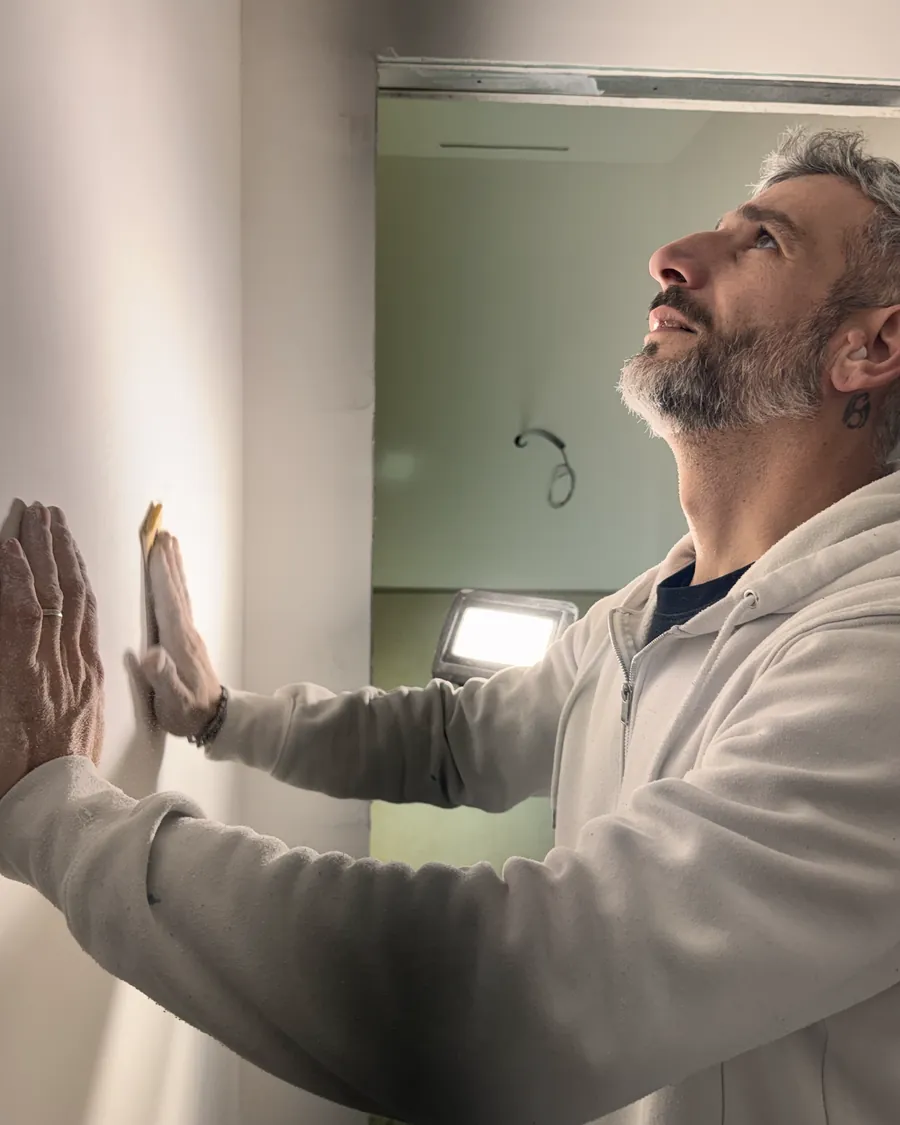
Color Pro Italia is Michele Iurianello's firm, based in Albaredo d'Adige. He is the one on site: whatever falls outside his trade he hands to someone who does it for a living — and says so.
- The owner is on site
- Michele is present on site, with one permanent colleague; the team is sized to the project in hand. He gives the timings himself at the quote stage, and if a date will not hold he says so as soon as he knows.
- After the quote, a contract
- When the job is accepted it is put in writing: a contract that protects both sides, the firm and the person entrusting it with their home, and one that has to be honoured. Company registration, contributions certificate, insurance and training are all in place, and are handed over the moment they are needed.
- We know where our trade ends
- On a single façade the scaffolding is ours; on a whole building we hire it from a firm that does nothing else. A heating engineer before external wall insulation, specialist firms for large areas of plasterboard, cleaning companies at the end of the job. And if the problem is not one for a painter, we say so and do not take the job.
Who we work with
Who calls us,
and why
Part of the work comes from people who do not live in the house in question. This is the owner's own ranking, including the things that usually go unsaid.
Building managers
Always interesting, and the timings are those of the residents' meeting: a lot of people have to agree, and we allow for that wait ourselves, in the quote.
Estate agents and letting managers
Regular clients: the work repeats over time, and that changes how it is organised.
Architects, designers and contractors
On a par with the agencies. Anyone arriving with a project in hand finds someone who reads the technical data sheets and follows them.
Commercial premises and hospitality
The most interesting, and the reason is a number: a house gets redone once every five or ten years, a business every two or three.
Private clients, and period homes
With prestige homes there is a particular eye for decorative finishes: they are the part of the trade that shows most once the job is done.
The colour
The part you see
After weeks of washing, repairs and primers comes the stage everyone is waiting for: the colour. Thirty-six shades, six families of six steps each, from a pale wall tone to the full colour. Four families come from the colours of our own brand; two — the earths and the neutrals — are the ones people ask for most often when painting a home. Turn the wheel and bring the one you like to the top. Then, when the time comes, we will look at it together on your wall: the light in a house changes a colour more than you would think.
Something that happened once
In Verona a façade
earned more
than it cost
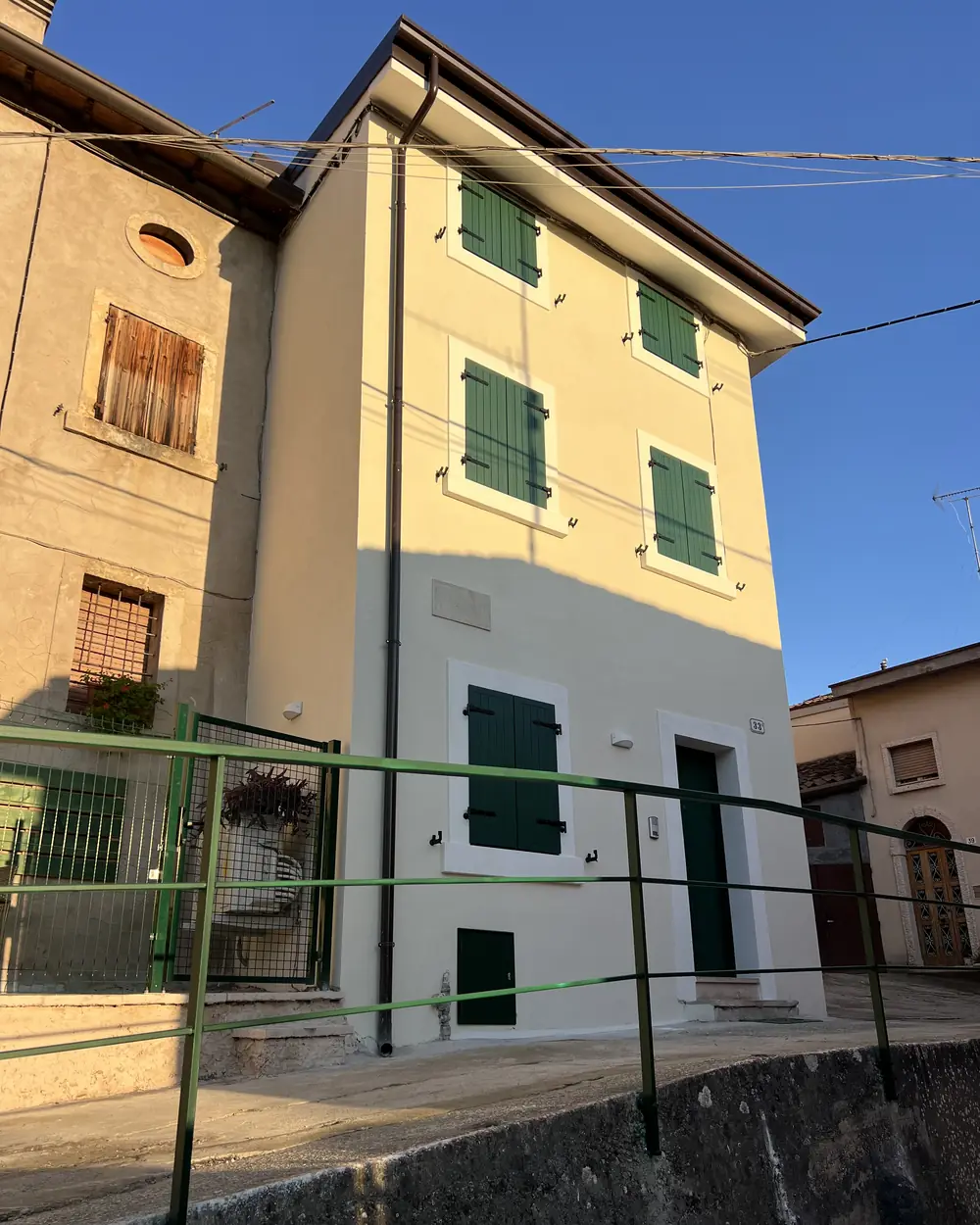
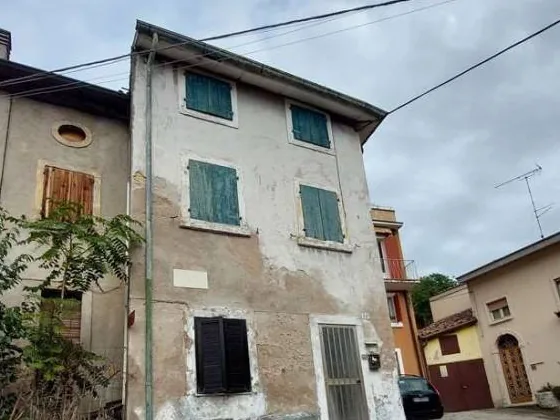
It was a façade in poor shape: damp-related detachment, water ingress, rising damp, walls worn by the weather. We restored the whole of it, from the substrate to the colour. The owner had to sell, and before putting the property on the market had it revalued.
- It cost
- €8–10,000
- complete restoration of the façade
- Estimated uplift in value
- around €20,000
- by an estate agency's surveyor
It happened on that house, at that moment, in that market, and the estimate was made by a surveyor who does not work for us. We do not promise it will happen again. We write it down because it says something true about the trade: on a property that is going to be sold, the façade is the first thing anyone sees.
Our clients
On Instapro: 4,9/5 su 7 recensioni
Valutazione 5/5
An exceptional job, to say the least. I got on very well with Michele from Color Pro. He understood what I needed. Precise and well organised. I warmly recommend him to anyone who wants quality work and wants to be able to trust the professional.
Valutazione 5/5
Reliable and honest, keeps to the agreed schedule and works with care. Excellent clean-up at the end — recommended!
Valutazione 5/5
Reliable, quick, impeccable and above all professional in his work — highly recommended!!! 5 stars!!!
Valutazione 5/5
Very kind and helpful. Impeccable work; Michele is absolutely recommended — he understands what the client needs and finds the right solutions in no time!
Valutazione 5/5
Michele was always very helpful and quick, and works with precision and tidiness. Very satisfied!
Valutazione 5/5
Excellent work, done on schedule and professionally. Recommended!
Valutazione 5/5
Precise, careful work, in line with what we asked for. I had a wall to sort out (it had been giving us trouble for years) and the job was done really well. We are very happy with the end result. Warmly recommended.
Areas we serve
Working across the province of Verona
We work for private homes, apartment blocks, rental properties, shops and commercial premises.
and many other towns across the province.
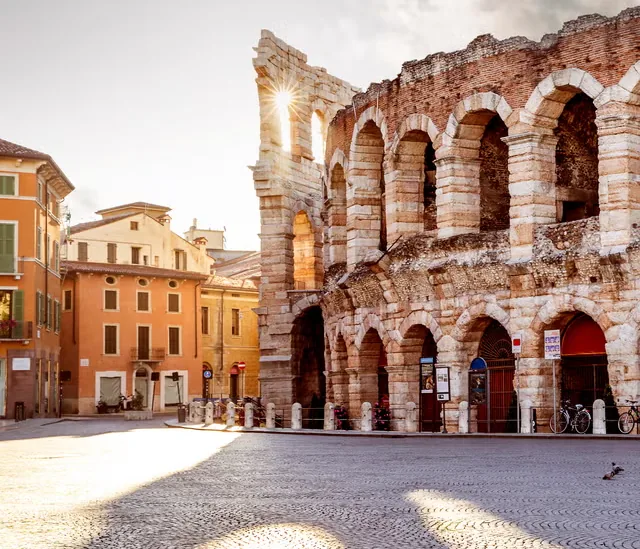
Verona
Albaredo
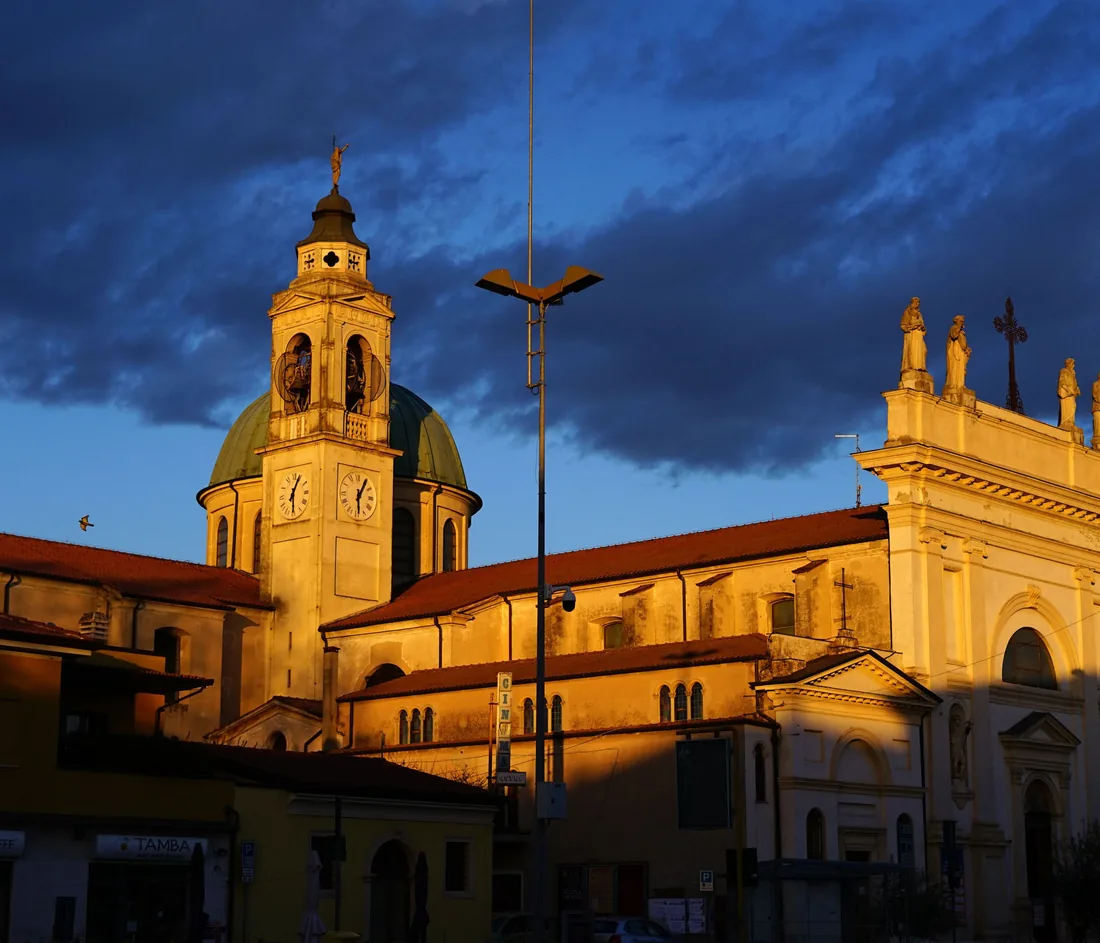
San Giovanni Lupatoto

Villafranca di Verona
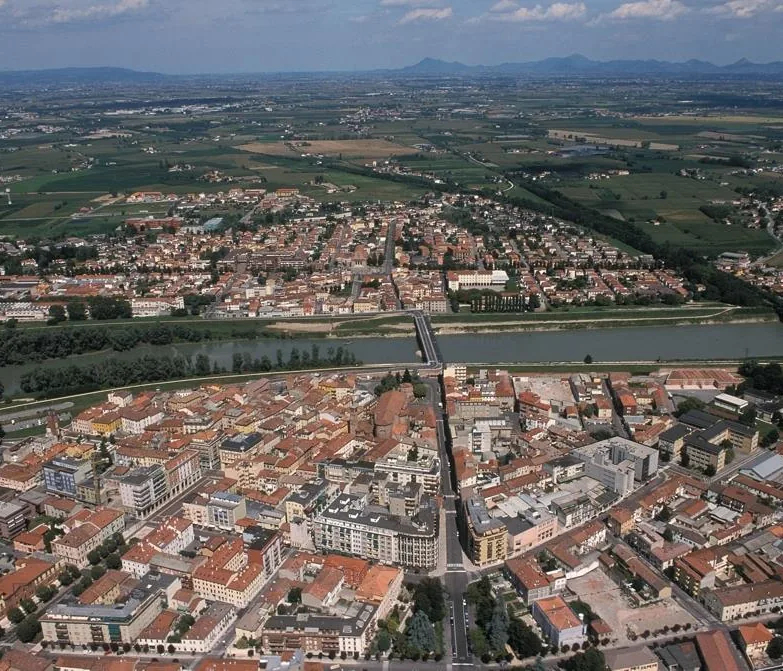
Legnago
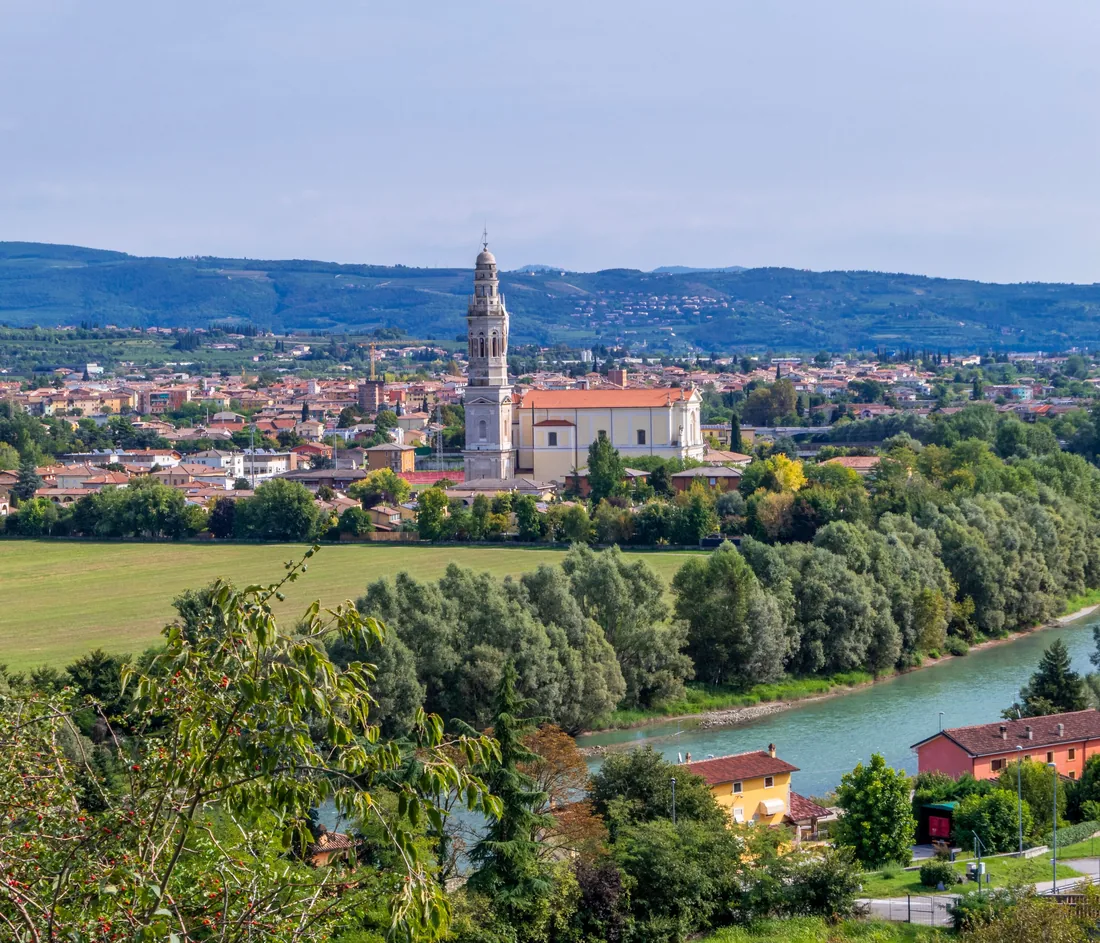
Bussolengo
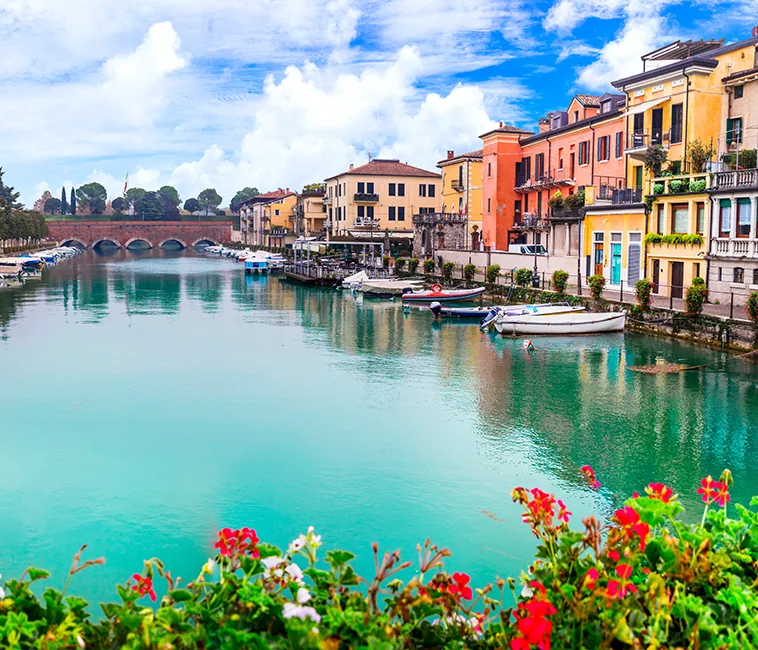
Peschiera del Garda
Frequently asked questions
The questions we hear
most often
How much does interior painting cost in Verona?
The price depends on how much work there is before the paint: a sound wall that needs freshening up, one that needs filling and skimming, and one with mould to be treated are three different jobs, and the colour costs the same in all three. That is why the figure comes after the site visit, which is free, together with the timescale we commit to.
What are the advantages of professional exterior painting?
An exposed façade takes traffic grime, algae, rain and frost. A well-executed exterior system keeps water out and lets the vapour coming from inside escape: it is that balance that decides whether the render underneath stays dry. On façades across the province of Verona we often work with siloxane systems, chosen according to how that wall is built and how it is exposed.
What is the best time of year to paint a façade?
Spring and autumn. Exterior products need mild temperatures and a dry substrate to form their film properly: below a certain threshold the bond is compromised, and a night frost on a freshly finished façade can ruin it. At the other extreme, full August sun on an exposed wall dries the surface too quickly compared with the layers beneath. The rain of the previous days matters too: a wall that has absorbed water must be left to dry before it is closed off with a finish.
Do you need scaffolding to paint a façade?
It depends on the height and on how the wall can be reached. On a single storey or on accessible surfaces, mobile towers or platforms may be enough; on taller buildings scaffolding becomes the normal route, because it allows safe, continuous work over the whole surface. When the scaffold takes up pavement or road, a public-land occupation permit from the local council is needed and must be applied for before starting. It is something to allow for at the site-visit stage.
Do the site visit and the quote commit me to anything?
No. The site visit is there to look at the wall with our own eyes: to understand what state the substrate is in, whether there are cracks, damp or old finishes to remove, and which steps are really needed. Only then can a quote be put together that stands up. Until that point there is no commitment to make.
How much does it cost to redo a façade?
Almost everything depends on one thing: how much wall has to be rebuilt before you get to the paint. A sound façade that needs renewing and one whose render is coming away are jobs of a different order of magnitude, and no figure given over the phone can allow for that. For the same reason you will not find a price per square metre on this site: it would be a number that takes no account of your wall. The site visit and the quote are free.
How long does the work take?
We do not say in advance, and the reason is that putting a figure on it without having seen the site would mean making it up. It depends on the system (a mould remediation and a repaint are two different jobs) and on the drying times that the products' technical sheets impose, which we do not squeeze: if a product needs a day, it gets that day. What we do is state the timescale in the quote and commit to keeping it; if for any reason that turns out not to be possible, we tell you as soon as we know.
Do I need permission to repaint the façade?
Redoing the same colour normally counts as routine maintenance. Changing the colour, or working in a historic centre or on a listed building, is a different matter and has to be checked with the local council before starting. If in doubt, we check it together during the site visit.
What guarantee do I have on the work?
Four things, in writing. That the colour holds — that it does not shift, streak or fade. That the materials are compatible with the surface they go on. That the work is carried out to professional standards, following the manufacturers' technical sheets. And that the site stays clean and tidy, during the work and at the end. For reference, liability for the works is governed by article 1667 of the Italian Civil Code and by what is written in the specification.
Who actually comes to do the work?
The owner is on site every day, tools in hand. With him there is one permanent colleague, and the team is sized to the project: as many people as that job needs. It is a question worth asking anyone: knowing who is going up your scaffolding is different from knowing the name of the company.
Do I have to move out while you work?
Hardly ever. We work room by room: an area is cleared, protected, sealed against dust, and we move on, so the house stays liveable. The order of the rooms is agreed together before starting, taking into account where people sleep and eat. We ask you to leave the house empty in two cases only: when the rooms are cramped and there is no way of working round things, and when there are several people at home. The less commotion, the better and the faster the work goes.
How long before I can sleep again in a freshly painted bedroom?
It depends on the product and above all on how much the air is changed. With the water-based wall paints we use, the smell is very limited compared with solvent-based products, and the widespread good practice is to wait at least one night with the room aired, two if you can. If the smell lingers, it is worth airing a little longer before using the room again.
Do you move the furniture?
We move it, cover it and protect it: it is included. What cannot be moved goes to the middle of the room and is covered, and the floors are protected completely: protection is part of the job. Working in empty rooms remains the best condition, and if we need you to clear the property we tell you at the site visit.
How much does mould treatment cost?
It depends on which of the four causes lies underneath, and that is the reason we do not give a figure over the phone. Treating a wall with surface condensation is one job; rising damp or water ingress are another category, and often call for another trade. The figure comes after the diagnosis, because it is the cause that decides the work. The site visit with the diagnosis is free.
Can you paint over a wall that is already coloured?
Almost always yes, but it depends on what is underneath. If the existing finish is well bonded and does not chalk, the base is prepared and we proceed. If it is coming away, feels chalky to the touch or has blisters, it has to be removed: new paint applied over an unstable base comes off together with the old one. Going from a dark colour to a light one takes more coats, and some very saturated shades remain visible through the new paint unless the base is sealed first.
When does a wall need skimming, and when is a coat of paint enough?
Skimming is needed when the problem is the surface itself. An uneven plaster, full of patches, old wall plugs or shrinkage cracks cannot be hidden with paint: raking light shows them up, and the more satin the finish, the more they show. In those cases the wall is skimmed to bring it back flat. If instead the wall is sound and even, we fill what needs filling, sand and paint.
What if it rains?
We do not apply. Humidity and temperature outside the product's limits ruin the bond, and the defect shows up months later. A façade job lives with the weather: it is planned knowing that, and we wait when waiting is needed.
Matt finish or washable?
They are two opposite compromises, and the choice is made on the wall in front of you. Matt forgives the imperfections of the base but marks more easily. Satin and washable finishes stand up to cleaning but under raking light show every flaw in flatness, so they need a better-skimmed base. A hallway with children and a bedroom wall do not need the same thing.
How much dust does a painting job make?
It makes some, and almost all of it comes from the preparation: sanding, filling, skimming. It is managed by containing it as it is produced: rooms not being worked on closed and sealed, openings protected, and the protection taken down and cleaned at the end of every day.
What is the difference between a washable paint and a breathable one?
They are two qualities that answer two different problems. A washable paint has a tighter, more compact surface: it resists rubbing and can be cleaned, which is useful where walls get touched and dirty (hallways, kitchens, children's rooms). A breathable paint, on the other hand, lets water vapour through, so the moisture that forms inside the house does not get trapped under the finish. The more washable a paint is, the less breathable it tends to be: that is why the choice is made room by room, looking at how the wall is used and what state it is in.
Which product will you use on my façade?
The best product is the right one for that wall. Outside, the choice comes down to two properties that pull in opposite directions (keeping water out and letting vapour escape), and the balance between them is decided by looking at how the substrate is built, how it is exposed and what was there before. It is a choice we make and take responsibility for: the quote says which system we propose and for which characteristic of your façade.
Why does mould come back even after repainting?
Because the stain is the symptom of something else. Mould takes hold where a surface stays damp for long enough: condensation on a cold wall, a thermal bridge, water getting in from outside, a room that is never aired. Repainting covers the mark but touches none of those conditions, and the problem comes back. The first step is to work out where the moisture is coming from: as long as that remains, no finish can do the job of insulation or a repair.
How can you tell condensation from rising damp?
By looking at where the stain is and when it appears. Condensation forms on the cold spots of the room (external corners, behind furniture pushed against the wall, around windows, on the ceiling) and shows mainly in the cold months, when there is vapour indoors and the wall is icy. Rising damp starts from the bottom instead, with a continuous band climbing up from the skirting that stays even in summer, often with crumbling plaster and whitish salt deposits. They are two problems with two different remedies: confusing them means treating the wrong place.
Does anti-mould paint solve the problem?
No, and it is worth saying clearly. An anti-mould paint contains active ingredients that hinder the growth of the fungus on the surface: it is a help that works on the last layer. If the wall keeps getting wet (through condensation, a thermal bridge, water getting in), the mould finds a way back. Finishes of this kind make sense after the cause has been dealt with, as the final layer of work that has already been done.
Is airing the room enough to prevent mould?
It helps a lot, but it is not always enough. Changing the air takes out the vapour produced by cooking, showers, drying laundry and breathing, and reduces condensation on cold surfaces: it is the first thing to do and it costs nothing. It falls short where the wall is cold because of how it is built, or where water comes from outside: there the vapour is only one of the sources, and the problem remains even with the windows open.
What if you find it is not a problem you can solve?
We tell you, and we do not take the job. Rising damp, water coming in from the roof or a terrace, a leak from a pipe: these are jobs of a different kind, and painting over them means paying twice. In that case we leave you a written note of what we found and who it is worth turning to: we have trusted professionals we refer cases to, and we point you to them in person, case by case.
Can the work be done in winter?
Yes, and it is also the time when the problem shows best: condensation is a winter phenomenon, and a wall that looks fine in summer tells the truth in winter. Temperature and humidity readings taken in the cold season say far more than the same readings taken in August.
In a rented home, who pays?
It depends on the cause, and that is why the diagnosis matters more than the quote. As a rule mould is a defect of the property and falls on the landlord, who must hand over a home fit for use; it falls on the tenant when it depends on how the property is lived in, for example rooms never aired or laundry dried indoors. We do not decide who is right: we establish the technical cause and put it in writing, which is the document both sides need.
Free site visit and quote, always, in Verona and its province
It starts by looking at the surface
The site visit is there to understand what condition the substrate is in and which coating system it really needs. The quote comes afterwards, for what actually has to be done.
- Hours
- Monday to Friday, 8:00 – 19:00
- Where we are
- Albaredo d'Adige (VR)