
Skip to content

Exterior and façade painting

A façade flakes at the corners, turns green on the north side, lets water in where the render has given way: the faded colour is the last of the signs. We work on façades across the whole province of Verona, and before choosing the shade we look at what lies underneath.

Request a free quoteFree site visit and quote, no obligation.

Where it starts

Four ways a façade asks to be redone

Nobody calls us saying "I'd like a siloxane paint job". They call because they have seen something. These are the four most common starting points, and each leads to a different coating system.

  • It flakes and falls off in scales

    The flakes come away first at the corners, under the sills and on the cornices: the places where water stops. If the render sounds hollow under your knuckles it means it has come away from the wall, and painting over it is pointless: the new coat comes off together with the old. Here the long part of the job is the rebuilding.

  • The north side is green, grey, black

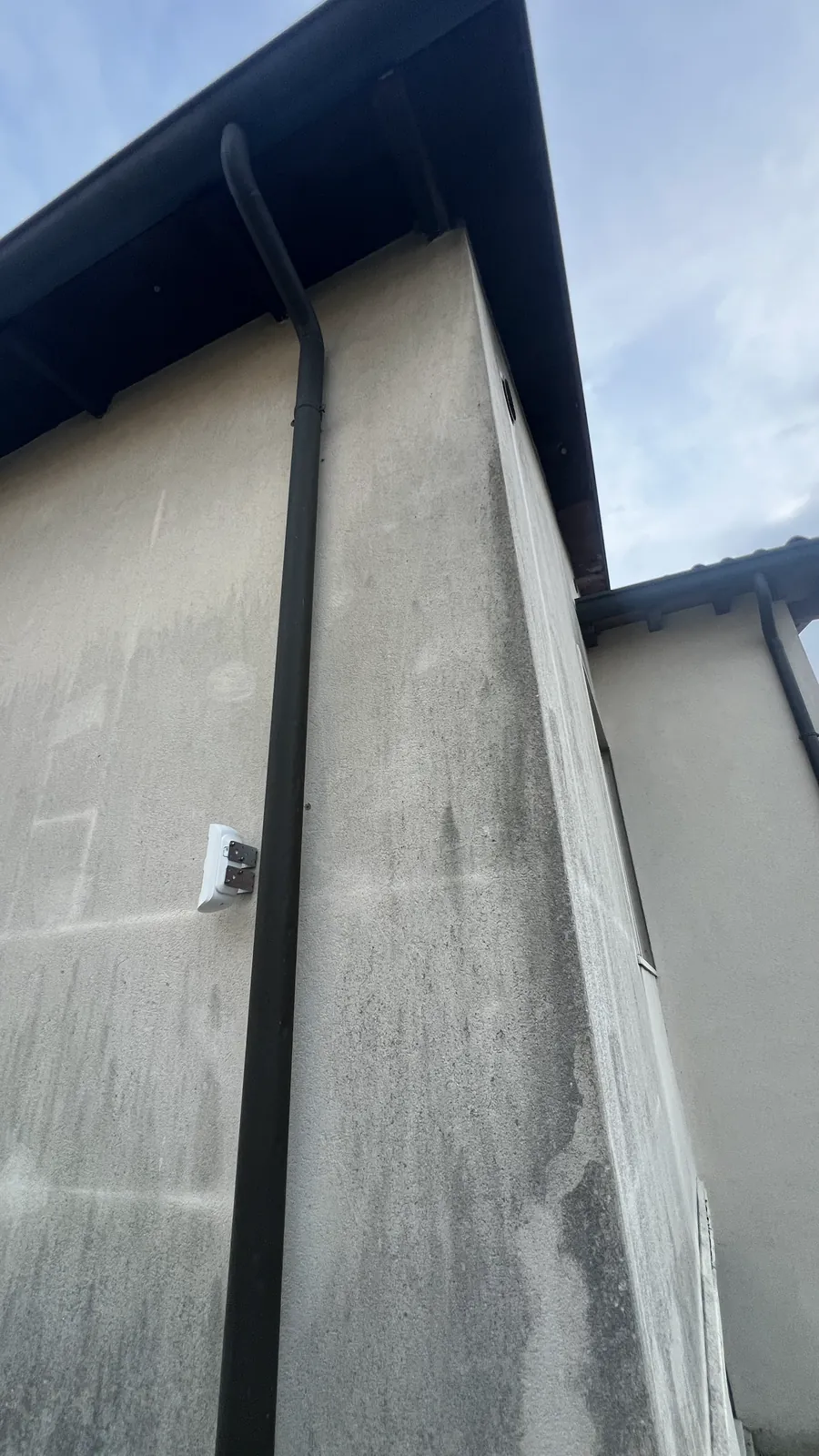
    Algae, lichens and dark films grow where the wall stays cold and damp and the sun never dries it. On the Verona plain that is the norm: the fog, and the humidity the Adige keeps high, work away all winter. Washing on its own does not last long if the surface keeps holding water, and within two seasons you are back where you started.

  • Cracks, tide marks, stains that keep coming back

    Water that gets into a hairline crack in winter freezes, expands and widens the crack from the inside. Every frost makes it grow. Stains that reappear after a coat of paint tell you the water is still arriving from somewhere — and until you know where from, repainting is only putting it off.

  • The colour is dull, the house looks older than it is

    Ultraviolet degrades and fades the finish film, grime greys it, rain leaves streaks under the overhangs. That is wear, and it is the best time to act: as long as the finish layer is doing its job the wall underneath is still sound, and the work costs an order of magnitude less.

How we work

The system,
step by step

The work starts with observation. These are the five things we do on a façade, in the order we do them, with the decision that is taken at each one.

Request a quote
  • First, look at the wall

    We arrive and for a while we touch nothing. We look at how the substrate is built, how it was treated in the past, where the render sounds hollow, which side the sun beats on and which side it never reaches, where the water stops. We tap, and we check the critical points: corners, sills, cornices, the junction with the ground.

    The decision taken here is the weightiest of all: whether the problem is only in the finish, or whether there is something to rebuild underneath. Getting it wrong means handing over a beautiful job that lasts two winters.

  • First, look at the wall
  • Wash — and only then do you really see

    Washing is the moment the façade shows itself for what it is.

    Under the dark grime, cracks appear that could not be seen before, badly done patches, spots where the render has already come away. Here the assessment made earlier is confirmed or corrected — and if it is corrected we say so at once, before we start rebuilding.

  • Wash — and only then do you really see
  • Take off whatever doesn't hold

    Everything that is no longer bonded comes away, even when that means widening the area beyond what could be seen. Then we rebuild: repair of the deteriorated parts, filling, skimming to bring the surface back to an even texture and flatness, bonding primer where needed.

    It is the part of the job that cannot be seen at the end, and it is the part that decides whether the result lasts. It is also the reason two serious quotes on the same façade can differ: it depends on how much wall there is to redo.

  • Take off whatever doesn't hold
  • The product is chosen for the substrate

    Outside, two properties pull in opposite directions: water repellence keeps water out, breathability lets out the vapour the wall holds inside. A highly impermeable product on masonry that needs to shed moisture traps it, and within a couple of winters it comes away.

    The choice is ours and we take responsibility for it: it depends on how the substrate is built, how it is exposed and what was there before. The quote says which system we propose and for which characteristic of your wall.

  • The brands we work with: Sikkens, Caparol, Casati, Kerakoll
    The product is chosen for the substrate
  • Drying times are not squeezed

    Every product needs time to dry and cure before the next stage, and that time is what it is. Applying a coat over a base that is not ready yet means watching it come away after one winter, when we are no longer there.

    We would rather spend an extra day than compromise a job that has to last for years. The weather comes in here too: outside certain conditions of humidity and temperature we do not apply, full stop.

  • Drying times are not squeezed
Before and after

The façade, before and after the system

Three real façades — press and hold to see how they turned out. They are site photos taken on a phone months apart, so the two framings do not match to the millimetre.

Deposits and grime gone
Washing removes dust, traffic grime, algae and residue: it comes before anything else.
The render is sound again
Removal of anything that sounds hollow, repair of the deteriorated areas, a levelling skim.
A surface that breathes and repels water
The finish is chosen on the balance between breathability and water repellence, according to substrate and exposure.
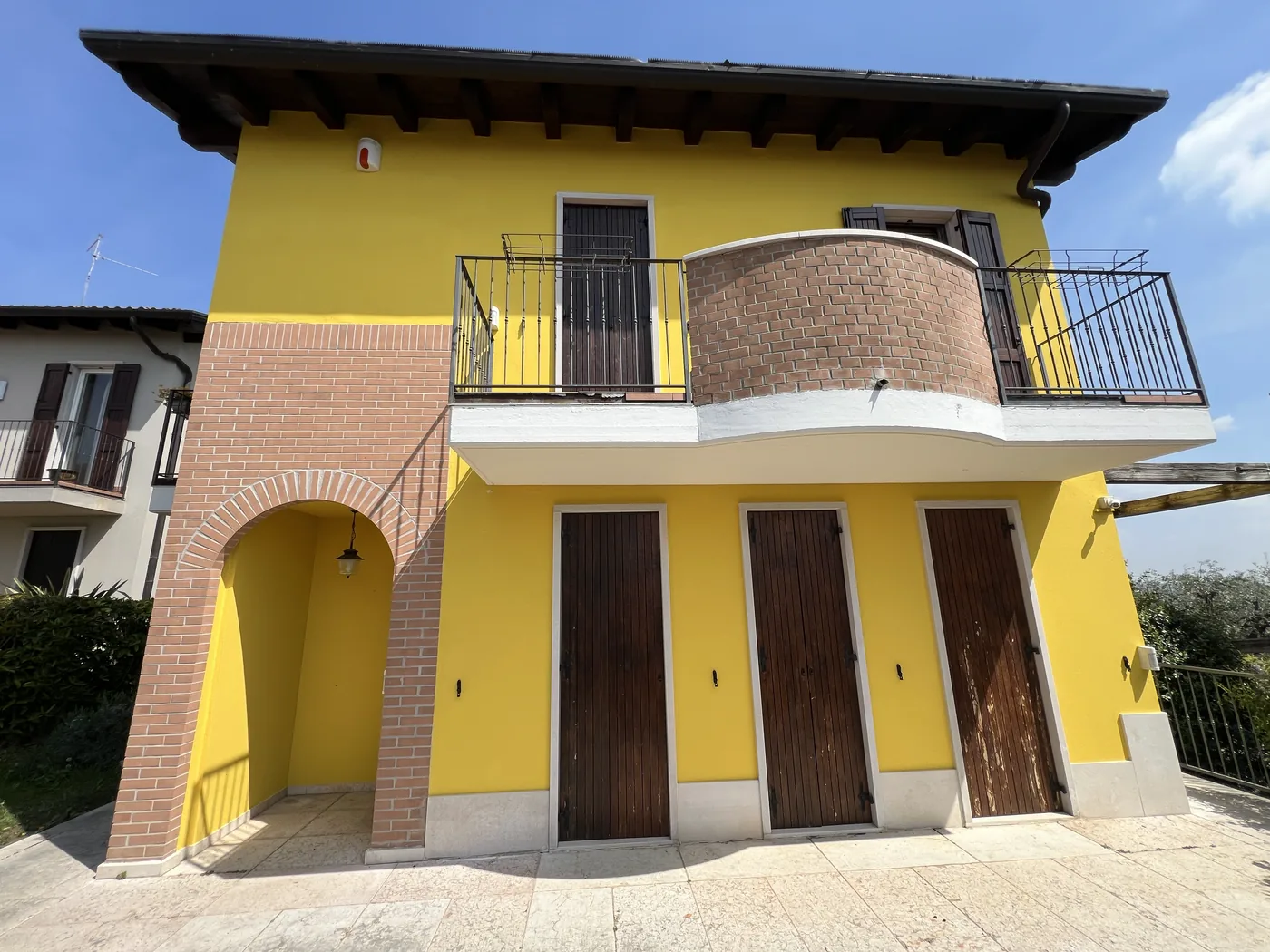
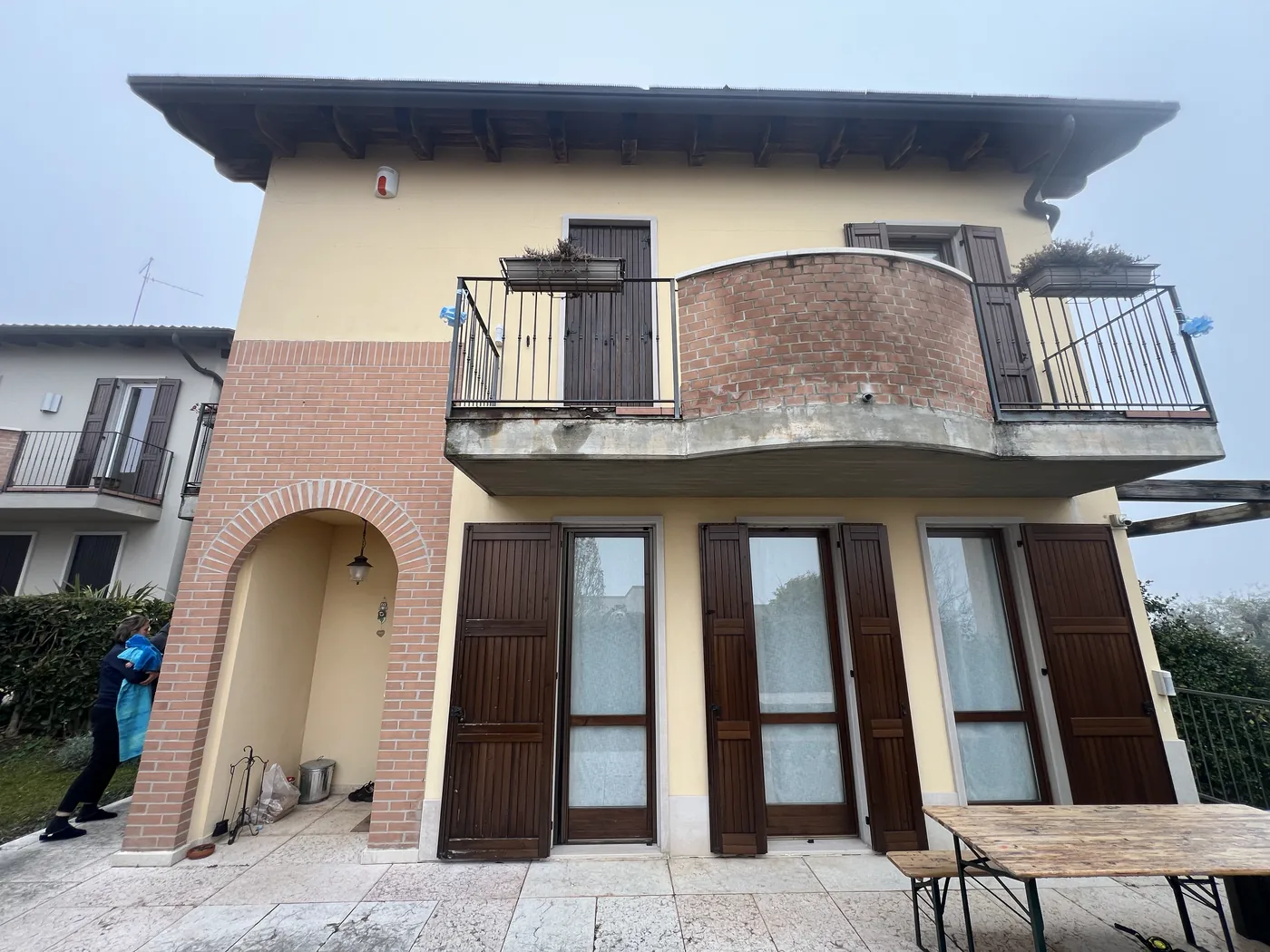
  • Village house, street frontage: after the workAfter
    Village house, street frontage: before the workBefore
    Press and hold

    Verona, Avesa district

    Village house, street frontage

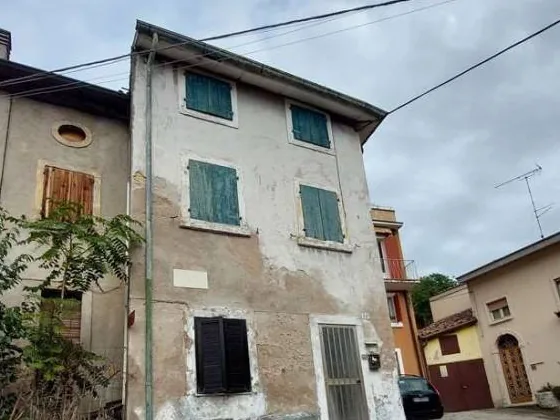
    What was wrongA house that had stood there for a century and was crumbling in on itself: the mortars were no longer bonded to the wall and damp was rising from below.

    System chosenComplete restoration. All the mortar that no longer held was removed and redone with osmotic mortars, which keep moisture out instead of sealing it in. The plinths around the windows were rebuilt. Finished with a siloxane system: it repels water and lets the vapour out of the wall.
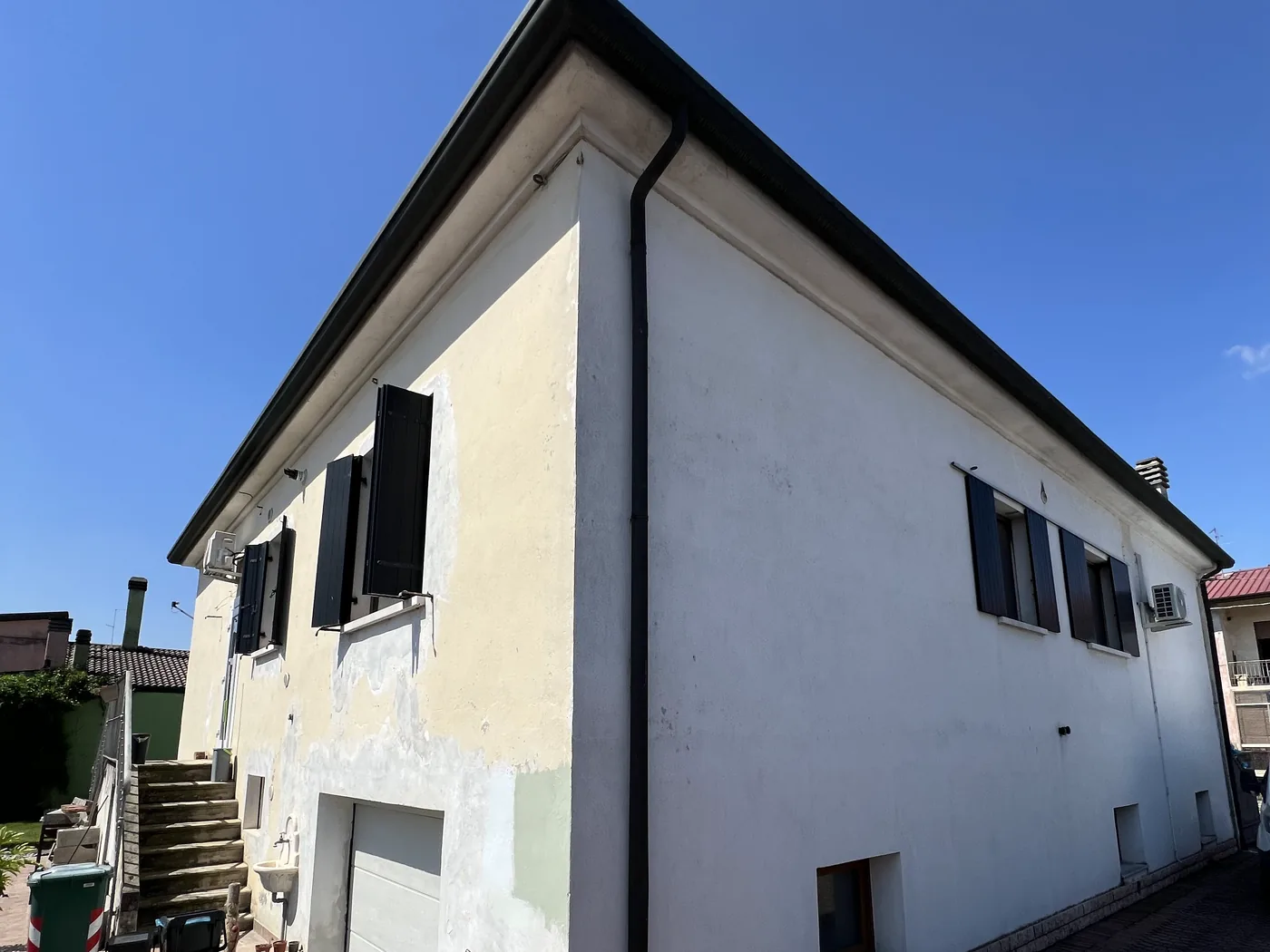
  • Detached house, the side: after the workAfter
    Detached house, the side: before the workBefore
    Press and hold

    Casaleone (VR)

    Detached house, the side

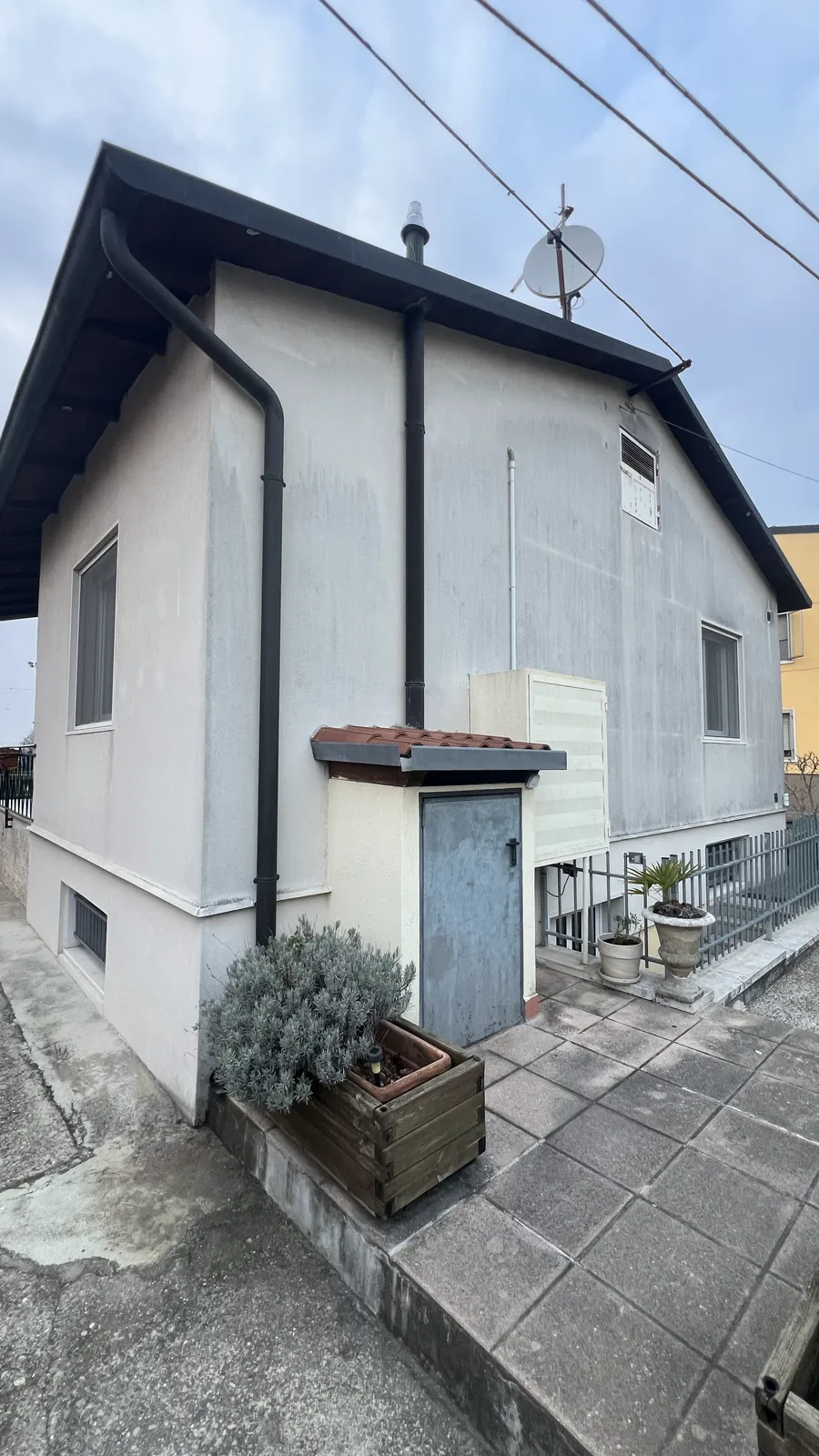
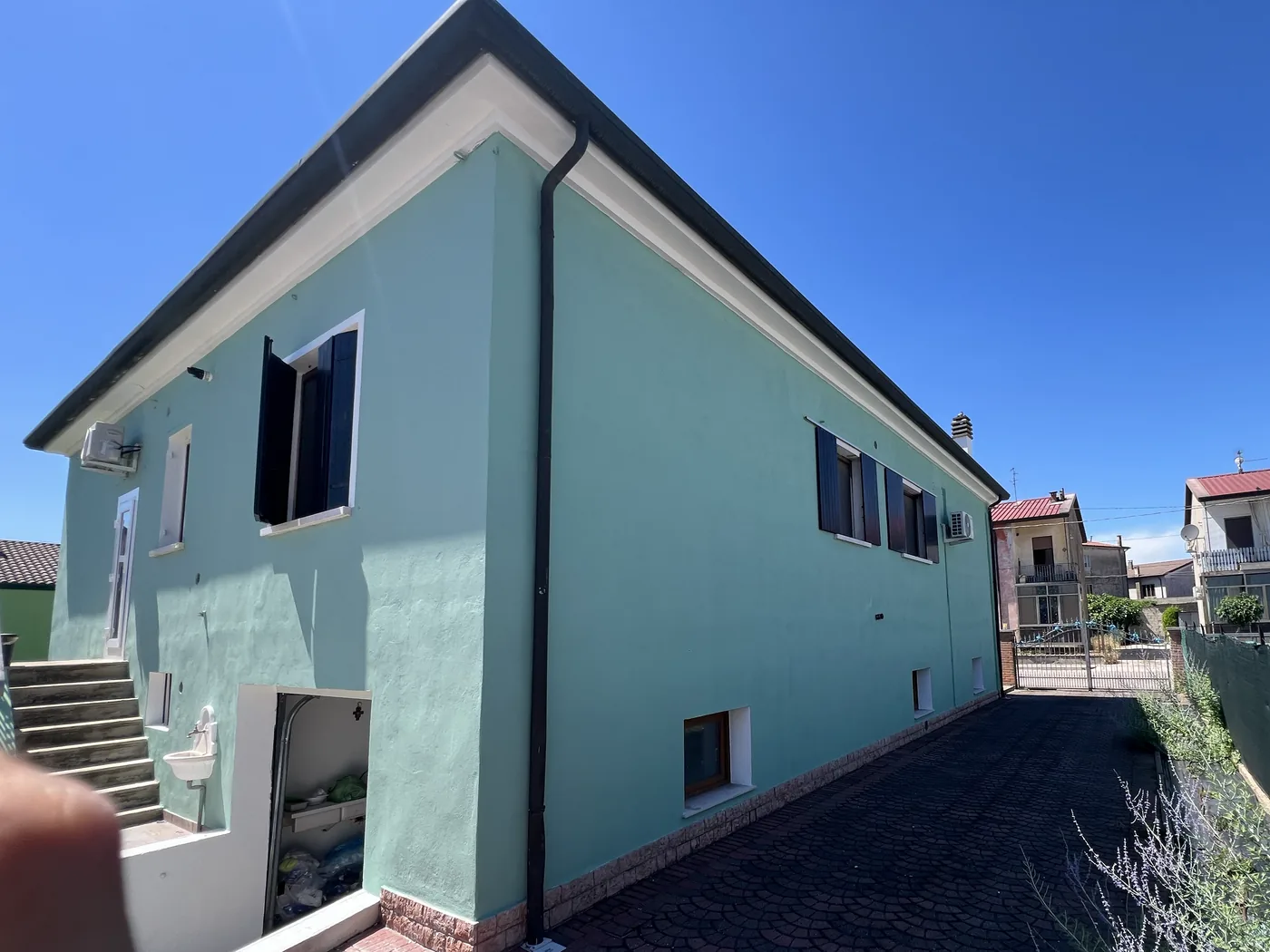
    What was wrongForty years of somewhat haphazard work, one job on top of another, plus the grime, algae and mould deposited over all those years. No cracks and no detachment: the wall was sound, it was its appearance that had given up.

    System chosenPressure washing to take off the grime, algae and mould, then a full painting system to even out the wall. There was nothing to rebuild here: there was tidying up to do. The skimmed patches above the garage and around the windows come from the fitting of the new window frames, which was not our work.

  • House with a porch, frontage: after the workAfter
    House with a porch, frontage: before the workBefore
    Press and hold

    San Briccio, in the municipality of San Pietro di Lavagno (VR)

    House with a porch, frontage

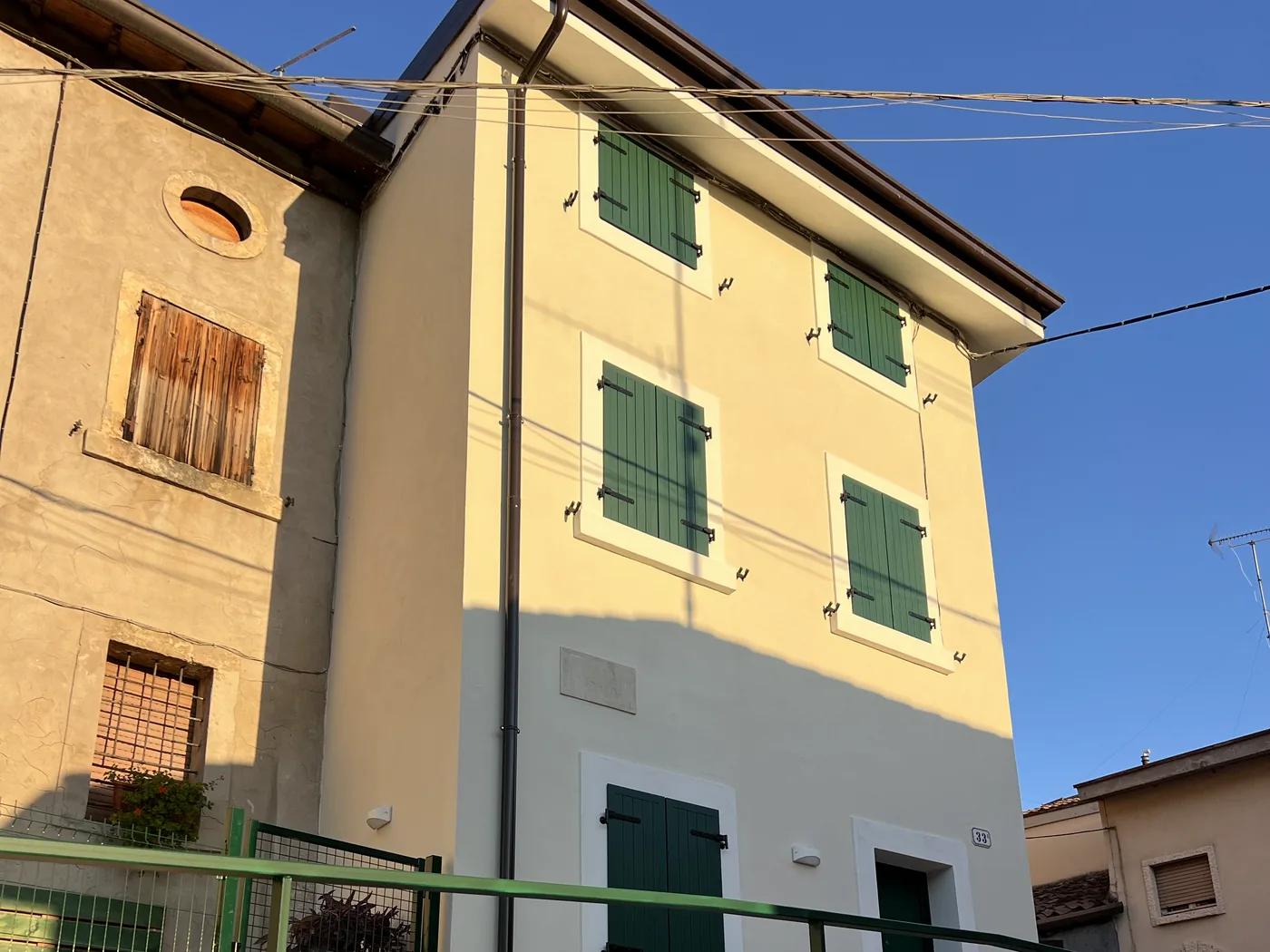
    What was wrongNeglected and weather-beaten: small areas of detachment, hairline cracks, a lot of dirt built up on the walls and the colour long since faded.

    System chosenWashing of the walls, then sealer and skimming over the cracks. One coat of sealer and two of siloxane paint over the whole house, taken from the roof down to the plinth: the beams under the eaves were sanded and treated with wood preservative too.

External wall insulation too

We do external wall insulation too

  1. Insulation doesn't start with us

    It starts with a heating engineer, who looks at how the walls are built today and how much improvement is really needed. Out of that assessment come the two things that decide everything else: the thickness and the type of material. Choosing them by eye, or from a catalogue, means fitting one house with another house's package.

  2. The material is chosen for the house

    XPS, or natural fibres such as cork and hemp. And when the situation is unusual we look for the product best suited to that case, because the right insulation is the one that is right for that wall.

  3. If outside isn't possible, we insulate inside

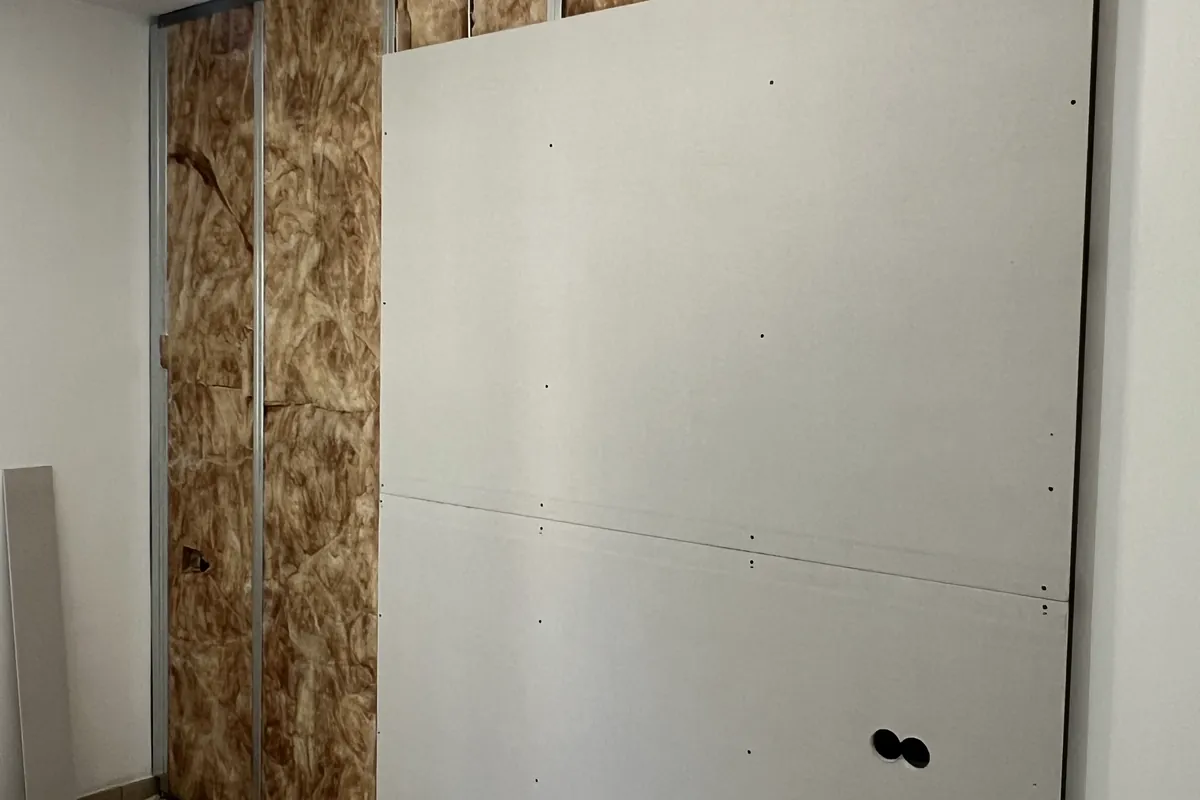
    Not every façade can be touched from the outside, and the reasons are many and varied. In those cases the building is insulated from the inside and lined with plasterboard: it is a different job, with different constraints, but the problem it solves is the same.

Why so many are doing it now

A good part of this work is done to take advantage of the tax deductions available at the moment. The percentages and the ceiling in force in 2026 are further down this page, in the section on apartment blocks.

Insulating from the inside: metal framing, mineral wool insulation and plasterboard being fitted
When the façade cannot be touched from outside: framing, insulation and plasterboard from the inside.

Your situation

Single house or apartment block: everything changes

A wall is a wall, and the work is the same. What changes is the money and who decides, and it is worth knowing before you ask for a quote.

Single house

Detached house, independent home, building you own

Here you decide, and the timings are yours. There is one thing, though, that almost nobody says beforehand, and it is the first line below. We would rather say it at the first meeting, before your accountant discovers it.

  • One person decides: no residents' meeting, no shares of ownership
  • On exterior painting alone there is no tax deduction: it counts as routine maintenance
  • Within a wider renovation the picture changes, and has to be assessed case by case
Apartment block

Common parts of a residential building

On the common parts, even painting alone qualifies for the renovation tax deduction. The façade bonus, the one everyone remembers, no longer exists since 2023: what exists today is the ordinary renovation deduction, which on common parts also covers routine maintenance. The decision, though, passes through several hands: a surveyor, a specification, the quotes and the residents' meeting.

  • The chain is surveyor, specification, quotes, meeting: the quote has to stand up to comparison item by item
  • A 50% deduction on a main residence and 36% on other units in 2026, on a ceiling of €96,000 per property unit
  • We work with building managers, allowing for the fact that the timings are those of the meeting. The scaffolding is ours on a single façade; on a whole building we hire it from a specialist firm

We are not tax advisers and do not stand in for yours. This is the general picture as of 2026: your specific case needs checking with your accountant.

Before you decide

What we leave you after the site visit

The site visit is there to understand what that wall really has, and what comes out of it we leave you in writing — even if you then choose someone else.

The site visit and the quote are free and commit you to nothing.

  • The substrate assessment

    What condition the render is in, where it has given way, how it was treated in the past, which points are critical because of exposure. On paper, with the critical points listed one by one.

  • The proposed system, with the reasons

    Which stages, in what order, and the reason for each choice. If we propose a more breathable or a more impermeable finish, it says for which characteristic of your wall.

  • The stages itemised separately

    Preparation, repairs, finish: each with its own quantity. It lets you compare two quotes on comparable things instead of on two final figures. In an apartment block it is the basis on which the specification is built.

  • The firm's documents

    Company registration, contributions certificate, insurance and training: they are all there and in order, and we give them to you the moment you ask. Checking the technical and professional suitability of whoever carries out the work is an obligation the law places on the person commissioning it, so it is a question worth asking anyone.

  • The contract, if we go ahead

    When the quote is accepted we sign a contract that protects you and us in equal measure, and that both sides have to honour.

  • The guarantee, in writing

    Four things, in black and white.

    • That the colour holds: it does not shift, streak or fade.
    • That the materials are compatible with the surface they go on.
    • That the work is carried out to professional standards, following the manufacturers' technical sheets.
    • That the site stays clean and tidy, during the work and at the end.

Want to know what is wrong with your façade?

We come and look at it. If the problem is only in the finish we tell you, and if there is rebuilding to do underneath we tell you that too — before we start.

Book a site visit

Frequently asked questions

What are the advantages of professional exterior painting?

An exposed façade takes traffic grime, algae, rain and frost. A well-executed exterior system keeps water out and lets the vapour coming from inside escape: it is that balance that decides whether the render underneath stays dry. On façades across the province of Verona we often work with siloxane systems, chosen according to how that wall is built and how it is exposed.

What is the best time of year to paint a façade?

Spring and autumn. Exterior products need mild temperatures and a dry substrate to form their film properly: below a certain threshold the bond is compromised, and a night frost on a freshly finished façade can ruin it. At the other extreme, full August sun on an exposed wall dries the surface too quickly compared with the layers beneath. The rain of the previous days matters too: a wall that has absorbed water must be left to dry before it is closed off with a finish.

Which product will you use on my façade?

The best product is the right one for that wall. Outside, the choice comes down to two properties that pull in opposite directions (keeping water out and letting vapour escape), and the balance between them is decided by looking at how the substrate is built, how it is exposed and what was there before. It is a choice we make and take responsibility for: the quote says which system we propose and for which characteristic of your façade.

Do you need scaffolding to paint a façade?

It depends on the height and on how the wall can be reached. On a single storey or on accessible surfaces, mobile towers or platforms may be enough; on taller buildings scaffolding becomes the normal route, because it allows safe, continuous work over the whole surface. When the scaffold takes up pavement or road, a public-land occupation permit from the local council is needed and must be applied for before starting. It is something to allow for at the site-visit stage.

Do the site visit and the quote commit me to anything?

No. The site visit is there to look at the wall with our own eyes: to understand what state the substrate is in, whether there are cracks, damp or old finishes to remove, and which steps are really needed. Only then can a quote be put together that stands up. Until that point there is no commitment to make.

How much does it cost to redo a façade?

Almost everything depends on one thing: how much wall has to be rebuilt before you get to the paint. A sound façade that needs renewing and one whose render is coming away are jobs of a different order of magnitude, and no figure given over the phone can allow for that. For the same reason you will not find a price per square metre on this site: it would be a number that takes no account of your wall. The site visit and the quote are free.

How long does the work take?

We do not say in advance, and the reason is that putting a figure on it without having seen the site would mean making it up. It depends on the system (a mould remediation and a repaint are two different jobs) and on the drying times that the products' technical sheets impose, which we do not squeeze: if a product needs a day, it gets that day. What we do is state the timescale in the quote and commit to keeping it; if for any reason that turns out not to be possible, we tell you as soon as we know.

Do I need permission to repaint the façade?

Redoing the same colour normally counts as routine maintenance. Changing the colour, or working in a historic centre or on a listed building, is a different matter and has to be checked with the local council before starting. If in doubt, we check it together during the site visit.

What if it rains?

We do not apply. Humidity and temperature outside the product's limits ruin the bond, and the defect shows up months later. A façade job lives with the weather: it is planned knowing that, and we wait when waiting is needed.

What guarantee do I have on the work?

Four things, in writing. That the colour holds — that it does not shift, streak or fade. That the materials are compatible with the surface they go on. That the work is carried out to professional standards, following the manufacturers' technical sheets. And that the site stays clean and tidy, during the work and at the end. For reference, liability for the works is governed by article 1667 of the Italian Civil Code and by what is written in the specification.

Who actually comes to do the work?

The owner is on site every day, tools in hand. With him there is one permanent colleague, and the team is sized to the project: as many people as that job needs. It is a question worth asking anyone: knowing who is going up your scaffolding is different from knowing the name of the company.

Where we work

A façade ages differently in Legnago and in Peschiera

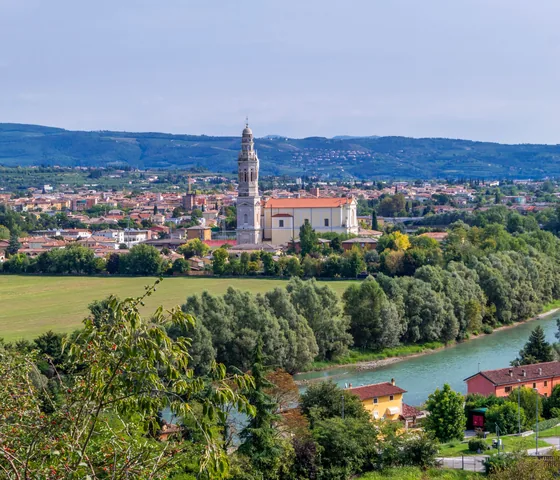
It sounds like a line from a brochure, but it is the reason the system changes from one town to the next. The Po plain is one of the foggiest areas in Europe and the Adige keeps the air humid; Lake Garda, twenty kilometres away, softens it.

  • Verona

    Historic centre and inner suburbs. Here the constraint is not only technical: changing the colour of a building in the centre goes through the council, and is checked before the product is ordered.

  • Albaredo

    Plain on the Adige, damp air all winter. It is the setting in which north-facing fronts get covered in algae and lichens faster than anywhere else.

  • San Giovanni Lupatoto

    Urban belt and traffic corridors: on top of the grime that greys the finish comes the deposit that rain leaves streaking under the overhangs.

  • Villafranca di Verona

    A mix of detached houses and small blocks: the area where we most often work with both the owner and the building manager.

  • Legnago

    The lower Verona plain, open country and winter fog. Here the breathability of the system is not a detail on a data sheet.

  • Bussolengo

    The band between the city and the lake's morainic hills, with sharper temperature swings: freeze and thaw work on the hairline cracks all winter.

  • Peschiera del Garda

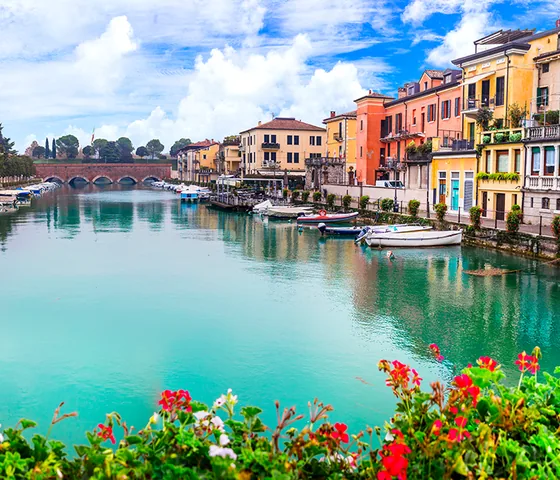
    The lake softens the cold but adds its share of humidity, and in the centre the same constraints apply as in any historic fabric.

Free site visit and quote, always, in Verona and its province

It starts by looking at the surface

The site visit is there to understand what condition the substrate is in and which coating system it really needs. The quote comes afterwards, for what actually has to be done.